How to Make Chicken Alfredo Recipe: 8 Easy Steps
Ever wondered why some homemade pasta dishes just don’t hit the same spot as your favorite restaurant’s creamy, dreamy chicken alfredo recipe? Is it a secret ingredient, a magical technique, or simply a myth that restaurant-quality Alfredo is out of reach for the home cook? Well, prepare to challenge that notion! Today, we’re diving deep into crafting an unbelievably delicious chicken alfredo recipe that’s so good, your family will swear you ordered takeout. We’ll demystify the process, from perfectly seasoned chicken to that luscious, clingy sauce, ensuring your next dinner is a resounding success. This comprehensive guide will show you how to make chicken alfredo with ease and confidence.
Table of Contents
Ingredients List
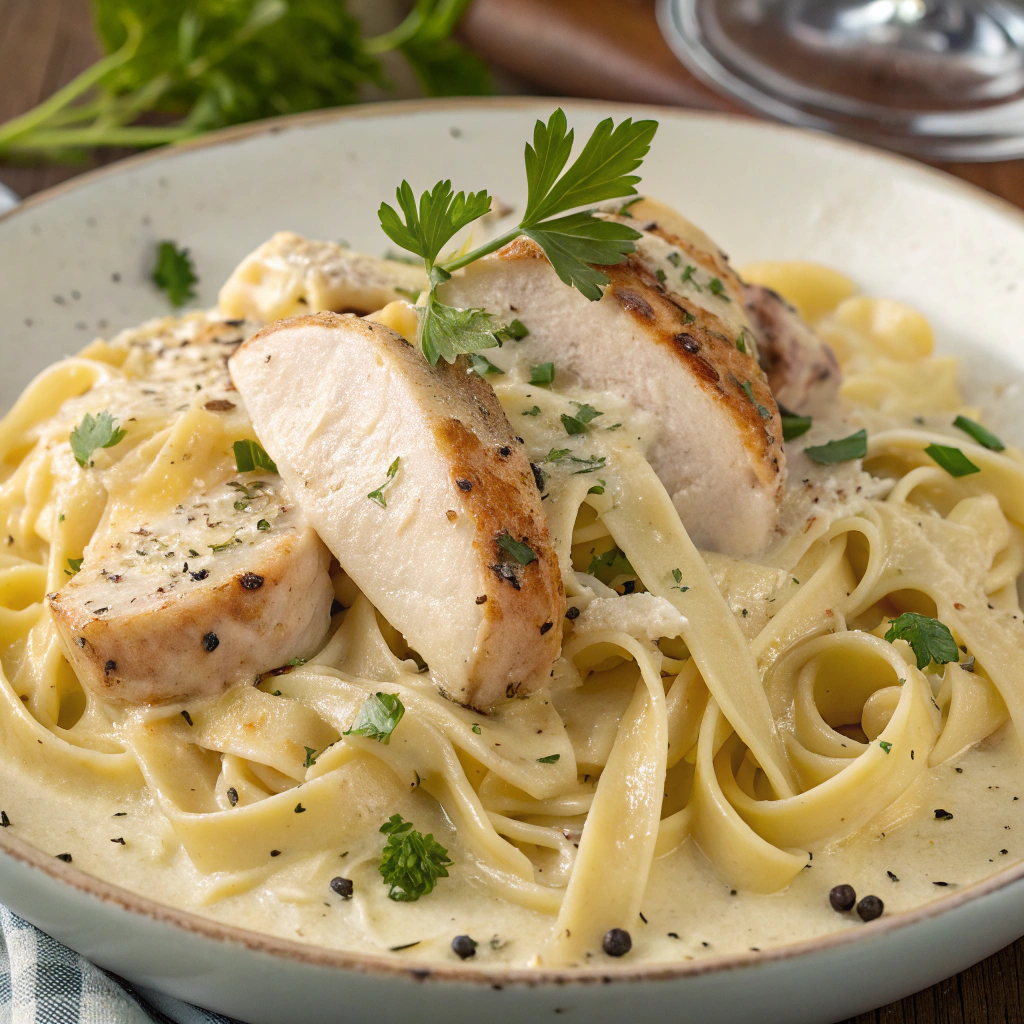
Gathering the right components is the first step to your culinary masterpiece! Here’s what you’ll need for this exquisite chicken alfredo recipe:
For the Chicken:
- 2 boneless, skinless chicken breasts (about 1.5 lbs total), sliced horizontally or into cubes
- 1 tablespoon olive oil
- 1 teaspoon garlic powder (for aromatic depth)
- 1 teaspoon onion powder (for a subtle sweetness)
- 1/2 teaspoon dried Italian seasoning (the classic herb blend)
- 1/2 teaspoon paprika (for color and mild flavor)
- Salt and black pepper to taste
- Substitution: Feel free to use chicken thighs for a more tender, juicier result.
For the Pasta:
- 12 ounces fettuccine pasta (the traditional choice for Alfredo)
- Substitution: Linguine, penne, or even spaghetti work beautifully if fettuccine isn’t on hand.
For the Alfredo Sauce:
- 1/2 cup unsalted butter (1 stick), cut into pieces for even melting
- 2 cloves garlic, minced (fresh is always best here!)
- 2 cups heavy cream (the secret to a rich, silky sauce)
- 1 1/2 cups freshly grated Parmesan cheese (Parmigiano-Reggiano preferred for superior flavor)
- 1/4 teaspoon nutmeg (optional, but a pinch elevates the sauce dramatically)
- Salt and black pepper to taste
- Fresh parsley, chopped (for garnish and a pop of freshness)
- Substitution: For a slightly lighter sauce, you can use half-and-half for part of the heavy cream, though the richness will be reduced.
Timing
This divine chicken alfredo recipe comes together quicker than you might think!
- Prep Time: 15 minutes (slicing chicken, mincing garlic, grating cheese)
- Cook Time: 25 minutes (cooking chicken, boiling pasta, making sauce)
- Total Time: 40 minutes
At just 40 minutes, this recipe is a weeknight warrior, taking nearly 30% less time than many other elaborate pasta dishes, proving that restaurant-quality flavor doesn’t require an entire evening.
1. Preparing and Seasoning the Chicken
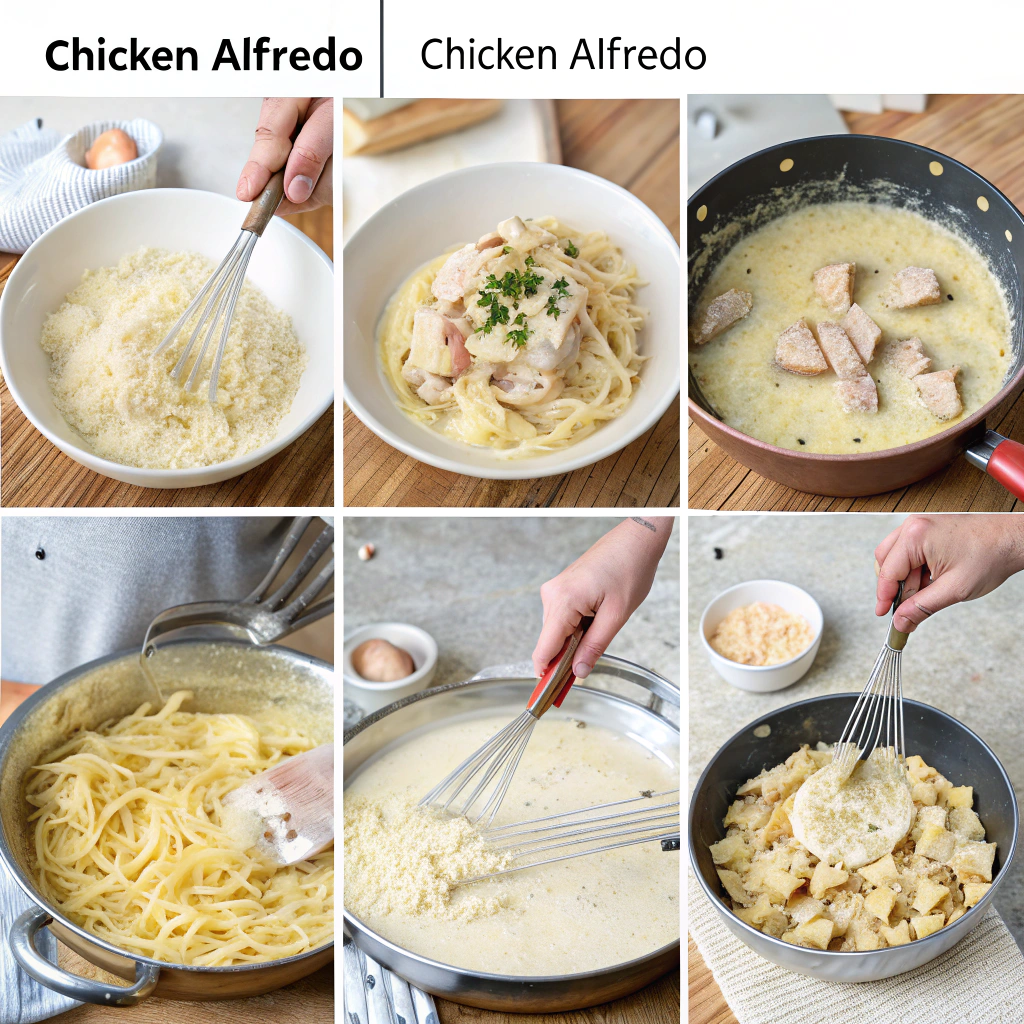
Begin by patting your chicken breasts dry with paper towels. This ensures a better sear. Slice them horizontally into thinner cutlets or into bite-sized cubes, depending on your preference. In a medium bowl, toss the chicken with olive oil, garlic powder, onion powder, Italian seasoning, paprika, salt, and pepper. Ensure every piece is evenly coated. This initial seasoning is crucial for how to season chicken for alfredo perfectly and infuse it with flavor from the start.
2. Cooking the Chicken
Heat a large skillet over medium-high heat. Once hot, add the seasoned chicken in a single layer, ensuring not to overcrowd the pan. Cook for 4-6 minutes per side (or until cooked through if cubed), until golden brown and cooked through (internal temperature of 165°F/74°C). Remove the cooked chicken from the skillet and set aside on a plate, tented with foil to keep warm and juicy. The fond (browned bits) left in the pan will add incredible flavor to your sauce later!
3. Boiling the Pasta
While the chicken cooks, bring a large pot of salted water to a rolling boil. Add the fettuccine pasta and cook according to package directions until al dente – firm to the bite. Before draining, reserve about 1 cup of the starchy pasta water. This “liquid gold” will be your secret weapon for achieving a super creamy and well-emulsified sauce.
4. Crafting the Alfredo Sauce
In the same skillet used for the chicken (don’t clean it!), melt the butter over medium-low heat. Add the minced garlic and sauté for about 1 minute until fragrant – be careful not to burn it! Slowly pour in the heavy cream, stirring constantly. Bring the mixture to a gentle simmer, but do not boil.
5. Achieving Creamy Perfection
Once the cream mixture is lightly simmering, gradually whisk in the freshly grated Parmesan cheese, a handful at a time. Continue whisking until the cheese is completely melted and the sauce is smooth and creamy. If using, stir in the pinch of nutmeg. Season with salt and black pepper to taste. Remember, Parmesan cheese is salty, so taste before adding too much salt!
6. Combining Pasta and Sauce
Add the drained fettuccine pasta directly into the Alfredo sauce in the skillet. Toss gently with tongs, coating every strand generously. If the sauce appears too thick, add a tablespoon or two of the reserved pasta water at a time, until your desired consistency is achieved. This is a crucial step for achieving that signature how to make alfredo pasta texture.
7. Integrating the Chicken
Return the cooked chicken to the skillet with the pasta and sauce. Gently toss to combine, ensuring the chicken is thoroughly coated in the creamy goodness.
8. Final Touches and Serving
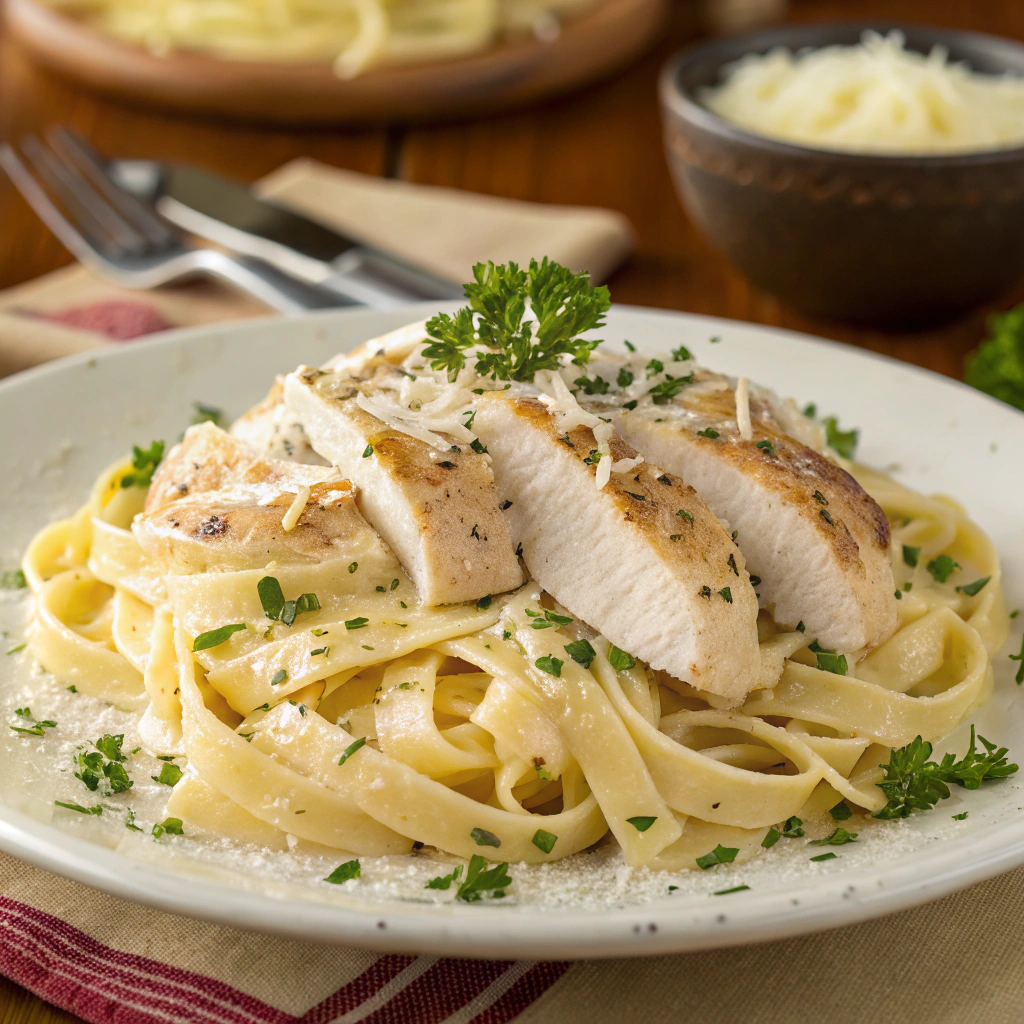
Garnish generously with fresh chopped parsley. Serve immediately, perhaps with an extra sprinkle of Parmesan cheese on top. Enjoy your perfectly executed chicken alfredo recipe!
Nutritional Information
A single serving of this rich chicken alfredo recipe typically contains:
- Calories: Approximately 800-950 kcal
- Protein: 45-55g
- Fats: 55-65g (a significant portion from healthy fats in butter and cream)
- Carbohydrates: 35-45g
- Fiber: 2-3g
- Sodium: 800-1000mg (varies greatly depending on salt added and Parmesan type)
Data Insight: While rich, the high protein content makes it surprisingly satiating. You can further reduce calorie counts by opting for lower-fat cream alternatives as noted in our healthier alternatives section.
Healthier Alternatives for the Recipe
Looking to enjoy this indulgent dish with a lighter touch? Here are some smart swaps for your next chicken alfredo recipe:
- Cream: Use a blend of half-and-half and a touch of cream cheese for a lighter but still creamy sauce.
- Vegetable Boost: Sauté some spinach, mushrooms, or roasted red peppers and toss them in with the pasta for added nutrients and fiber.
- Whole Wheat Pasta: Opt for whole wheat fettuccine to boost fiber content.
- Less Butter: Reduce the butter slightly in the sauce, relying more on the cream and cheese for richness.
- Chicken Quantity: Increase the chicken-to-pasta ratio for a higher protein, lower carb meal.
Serving Suggestions
Elevate your chicken alfredo recipe experience with these inspired serving suggestions:
- Garlic Bread: The classic pairing! Freshly baked garlic bread is perfect for soaking up every last bit of creamy sauce.
- Side Salad: A crisp garden salad with a light vinaigrette provides a refreshing contrast to the richness of the Alfredo. Consider a Caesar salad for an extra Italian touch.
- Roasted Asparagus: Tender, slightly charred asparagus spears beautifully complement the creamy pasta.
- A Light White Wine: A glass of Chardonnay or Pinot Grigio balances the flavors wonderfully.
Common Mistakes to Avoid
Even the most seasoned cooks can make these common chicken alfredo recipes pitfalls:
- Overcooking the Pasta: Mushy pasta is a no-go! Always cook al dente, as it will continue to cook slightly when tossed with the hot sauce.
- Over-Boiling the Cream: High heat can cause the cream to separate or curdle. Keep it at a gentle simmer.
- Using Pre-Grated Parmesan: Pre-grated cheese often contains anti-caking agents that can make your sauce gritty or less smooth. Freshly grated Parmigiano-Reggiano melts beautifully and tastes superior.
- Not Seasoning the Chicken: Bland chicken ruins the dish! Don’t skip the steps on how to season chicken for alfredo properly.
- Adding Cold Cheese: Add Parmesan gradually and off the heat if your sauce is too hot. Cold cheese can clump or not melt smoothly.
Storing Tips for the Recipe
Got leftovers? Lucky you! Here’s how to keep your chicken alfredo recipe delicious:
- Refrigeration: Store cooled leftovers in an airtight container in the refrigerator for up to 3-4 days.
- Reheating: Reheat gently on the stovetop over low heat, adding a splash of milk or cream to loosen the sauce and restore its creaminess. Avoid microwaving on high, as it can cause the sauce to separate.
- Freezing: Alfredo doesn’t freeze well due to the dairy in the sauce which can separate upon thawing. It’s best enjoyed fresh or within a few days from the fridge.
Conclusion
There you have it – your definitive guide to mastering the classic, incredibly satisfying chicken alfredo recipe! From seasoning the chicken just right to creating that velvety smooth sauce, you now possess all the knowledge to bring restaurant-quality Italian comfort to your own kitchen. No more mystery, just pure culinary triumph.
Ready to impress your taste buds and your dinner guests? Give this chicken alfredo recipe a try tonight! Share your creations with us in the comments below, or tell us your favorite family twist. Happy cooking!
FAQs
Q1: Can I use different types of pasta for this chicken alfredo recipe?
A1: Absolutely! While fettuccine is traditional, feel free to use linguine, penne, spaghetti, or even rotini. The key is to choose a pasta that can hold the rich sauce well.
Q2: My Alfredo sauce is too thick or too thin. How can I fix it?
A2: If it’s too thick, gradually whisk in some reserved pasta water or a splash of warm milk/cream until it reaches your desired consistency. If it’s too thin, you can try simmering it gently for a few more minutes to reduce slightly, or add a bit more grated Parmesan cheese.
3: Can I add vegetables to my chicken alfredo?
A3: Yes! Adding vegetables is a fantastic idea. Broccoli florets, sliced mushrooms, spinach, or sun-dried tomatoes are all excellent additions. Sauté them before adding to the sauce or steam them and toss in at the end.
Q4: What’s the best way to prevent the chicken from drying out?
A4: Don’t overcook it! Cook until just done (165°F/74°C internal temperature) and then remove it from the heat promptly. Slicing chicken horizontally into thinner cutlets also helps it cook faster and more evenly, retaining moisture. Resting the chicken for a few minutes after cooking also helps keep it juicy.
Q5: Is it okay to use pre-shredded Parmesan cheese?
A5: While convenient, pre-shredded Parmesan often contains anti-caking agents that can make your sauce gritty and less smooth. For the best flavor and texture in your chicken alfredo recipe, we highly recommend grating fresh Parmesan cheese from a block.