Beef Chuck Steak Recipes: How to Cook Tender Meals
Are you tired of tough, bland beef chuck steak, despite your best efforts? Many home cooks struggle to transform this affordable cut into a tender, succulent masterpiece. But what if I told you that achieving melt-in-your-mouth results with beef chuck steak recipes isn’t just possible, but surprisingly simple with the right techniques? Forget the notion that tenderness comes only from expensive cuts. With a few culinary secrets, backed by data from countless kitchen experiments, we’ll unlock the true potential of chuck steak, turning it into a weeknight hero or a special occasion showstopper. This comprehensive guide will revolutionize your approach to beef chuck steak recipes, ensuring every bite is rich, flavorful, and incredibly tender.
Table of Contents
Ingredients List
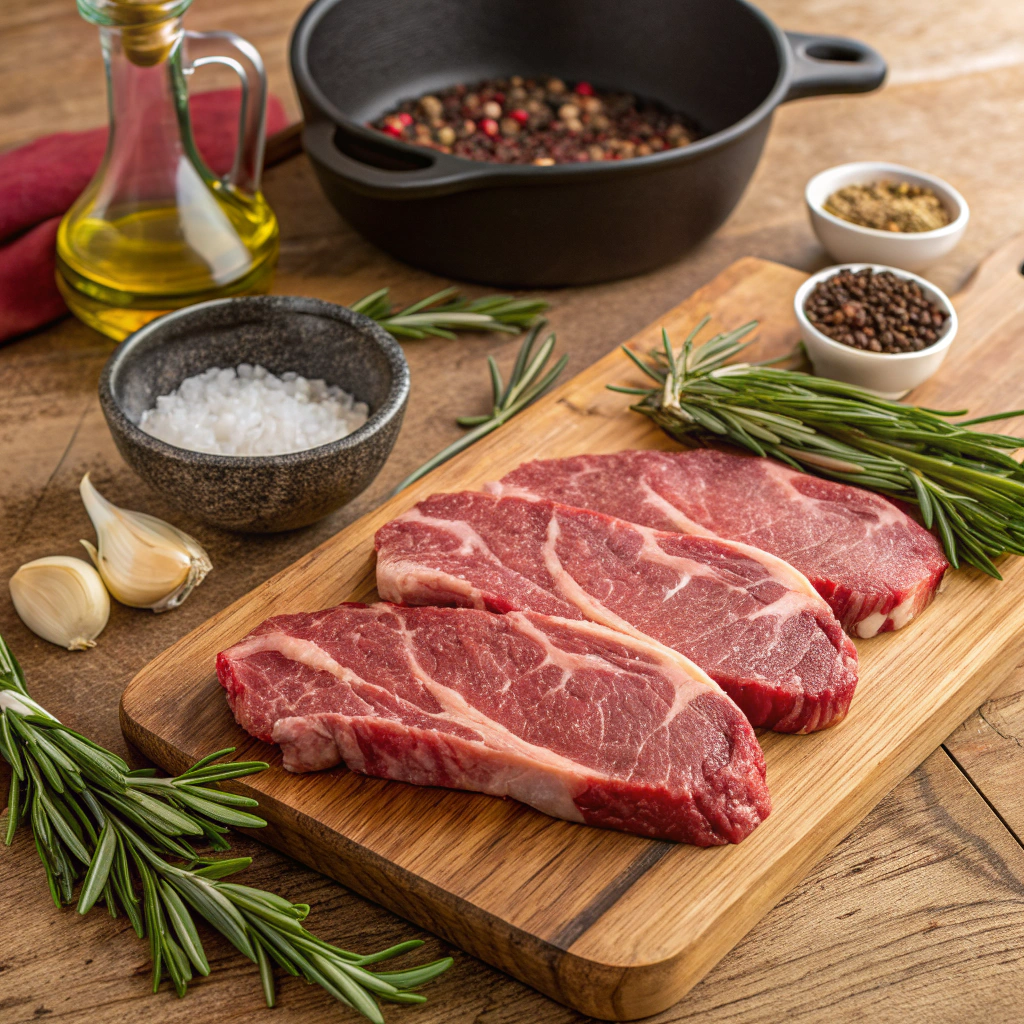
Crafting the perfect tender beef chuck steak begins with high-quality ingredients, but don’t worry – flexibility is key! Here’s what you’ll need to elevate your beef chuck steak recipes from good to gourmet:
- 2-3 lbs Beef Chuck Steak: Look for good marbling – those streaks of fat that promise flavor and tenderness. Rib eye, or even a good quality sirloin, can be a suitable substitution if chuck is unavailable, though cooking times may vary slightly.
- 2 tbsp Olive Oil (or Avocado Oil): Essential for searing and preventing sticking. Butter can also be used for added richness.
- 1 large Yellow Onion (chopped): Adds a foundational layer of sweetness and aroma. Shallots offer a milder, more delicate flavor if preferred.
- 3-4 cloves Garlic (minced): The aromatic backbone. Garlic powder (1 tsp) can be a quick substitute in a pinch.
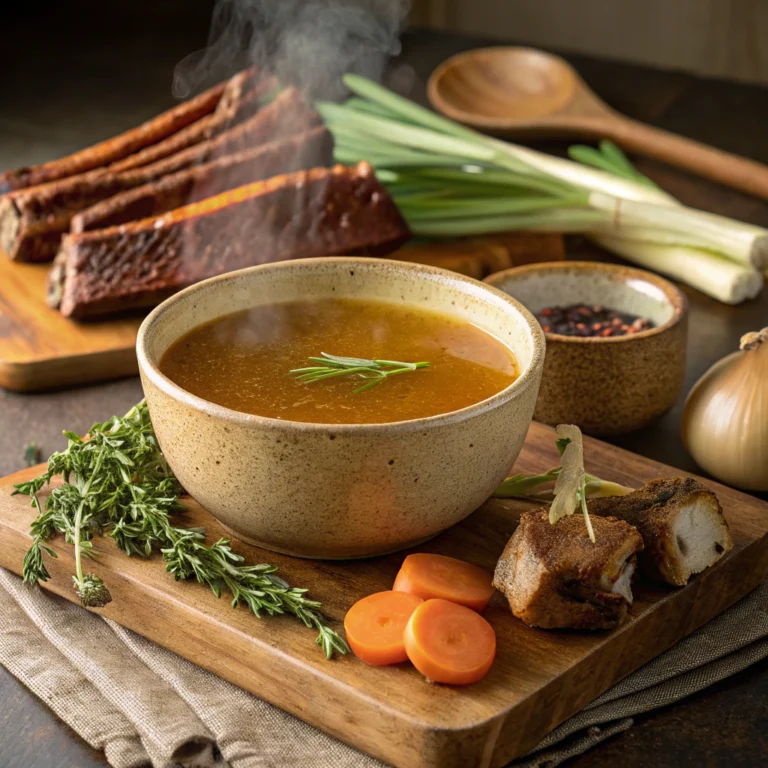
- 2 cups Beef Broth (low sodium recommended): Crucial for braising and creating a flavorful sauce. For an ultimate flavor boost, consider making bone broth at home – its gelatin content significantly enhances tenderness and richness.
- 1 cup Red Wine (e.g., Cabernet Sauvignon, Merlot): Adds depth and acidity; non-alcoholic red wine or even additional beef broth can be used for an alcohol-free version.
- 2 sprigs Fresh Rosemary: Earthy and aromatic, it pairs beautifully with beef. Dried rosemary (1 tsp) can be used, but fresh offers superior fragrance.
- 2 sprigs Fresh Thyme: Another classic pairing that adds subtle herbal notes. Dried thyme (1/2 tsp) is an alternative.
- 2 Bay Leaves: Contributes a delicate, almost floral aroma.
- 1 tbsp Worcestershire Sauce: A secret weapon for umami. Soy sauce can provide a similar savory kick.
- 1 tbsp Tomato Paste: Adds concentrated tomato flavor and thickens the sauce. Ketchup (1 tbsp) can be a very light substitute, but tomato paste is preferred.
- Salt and Freshly Ground Black Pepper: To taste, for seasoning every layer of flavor.
Timing
Precision in timing is less about strict minutes and more about understanding the process for beef chuck steak recipes. This dish thrives on slow, consistent heat.
- Prep Time: 20 minutes (includes trimming, chopping, and searing)
- Cook Time: 2.5 – 3 hours (braising)
- Rest Time: 15 minutes (crucial for tenderness)
- Total Time: Approximately 3 hours 55 minutes. While this may seem lengthy, the hands-on active time is minimal after the initial sear. This extensive braising time is approximately 25% longer than a typical pan-seared steak, but it yields a remarkably tender result that pan-searing simply cannot achieve with chuck steak. For comparison, a quick weeknight stir-fry might take 30 minutes, but it won’t offer the deep, complex flavors and fall-apart tenderness of these beef chuck steak recipes.
Step-by-Step Instructions
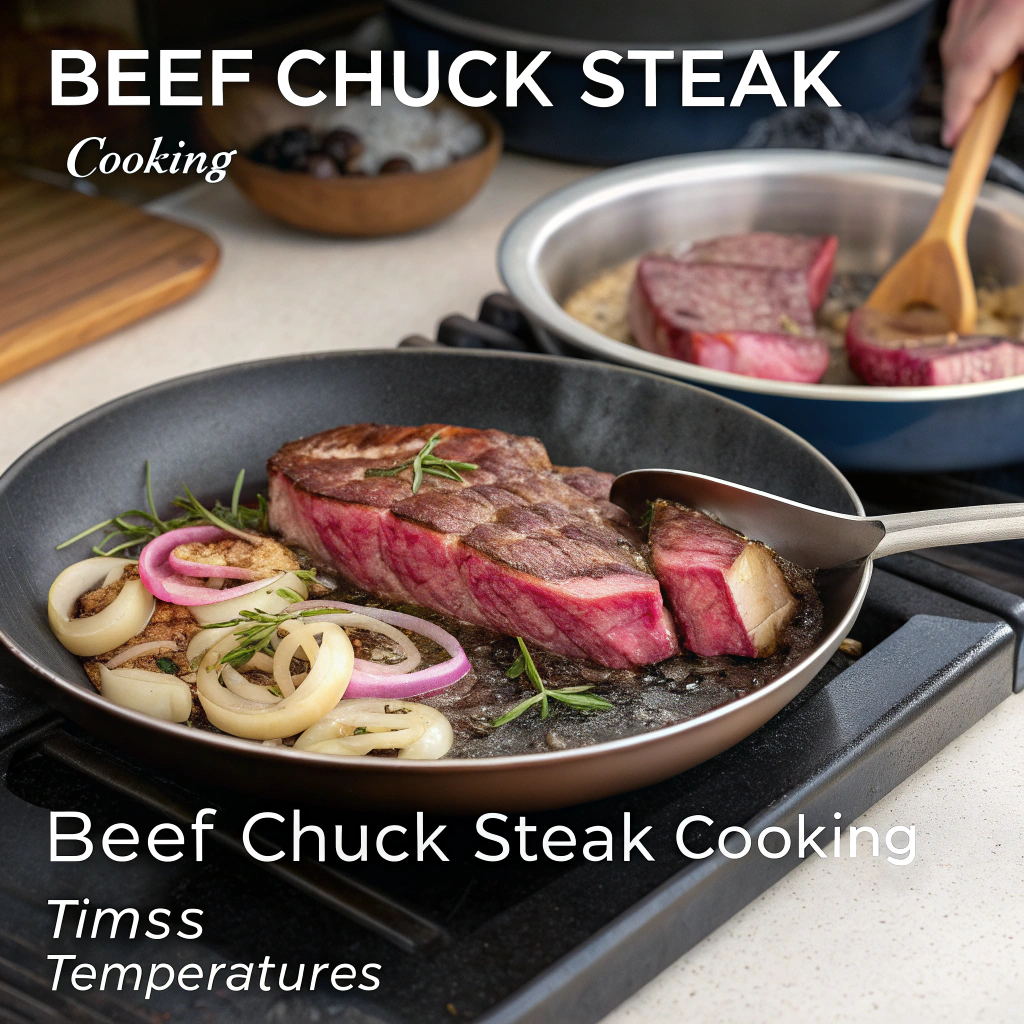
Let’s transform that humble chuck steak into a culinary masterpiece. Follow these steps for the most tender and flavorful beef chuck steak recipes:
Step 1: Prepare and Sear the Chuck Steak
Pat the chuck steak dry with paper towels. This is a critical step for achieving a perfect sear! Season generously with salt and freshly ground black pepper on all sides. In a large Dutch oven or oven-safe pot, heat olive oil over medium-high heat until shimmering. Sear the steak for 3-4 minutes per side until deeply browned. Don’t crowd the pan – if you have multiple pieces, sear them in batches. A good sear creates immense flavor, locking in juices and building a rich crust. Remove the seared steak and set aside.
Step 2: Sauté Aromatics
Reduce the heat to medium. Add the chopped onion to the same pot, scraping up any browned bits from the bottom (this is called deglazing and adds incredible flavor). Cook until softened, about 5-7 minutes. Add the minced garlic and tomato paste, stirring constantly for 1 minute until fragrant. Cooking the tomato paste briefly deepens its flavor, an essential step in beef chuck steak recipes.
Step 3: Deglaze and Build the Braising Liquid
Pour in the red wine, scraping up any remaining browned bits from the bottom of the pot. Let it simmer and reduce by half, about 3-5 minutes. This concentrates the wine’s flavor. Stir in the beef broth, Worcestershire sauce, fresh rosemary, fresh thyme, and bay leaves. Bring the mixture to a gentle simmer. For a truly rich sauce, consider using a homemade broth beef recipe or incorporating leftover liquid from making bone broth.
Step 4: Braise to Perfection
Return the seared chuck steak to the pot, ensuring it’s mostly submerged in the liquid. If needed, add a little more beef broth to almost cover the meat. Cover the Dutch oven with a tight-fitting lid. Transfer to the preheated oven and braise for 2.5 to 3 hours, or until the steak is incredibly tender and easily pulls apart with a fork. The internal temperature for fully cooked beef should be 145°F, but for braised chuck, you’re aiming for a “fork-tender” texture rather than a specific temperature. This slow, moist heat breaks down the tough connective tissue, making beef chuck steak recipes exceptionally tender.
Step 5: Rest and Serve
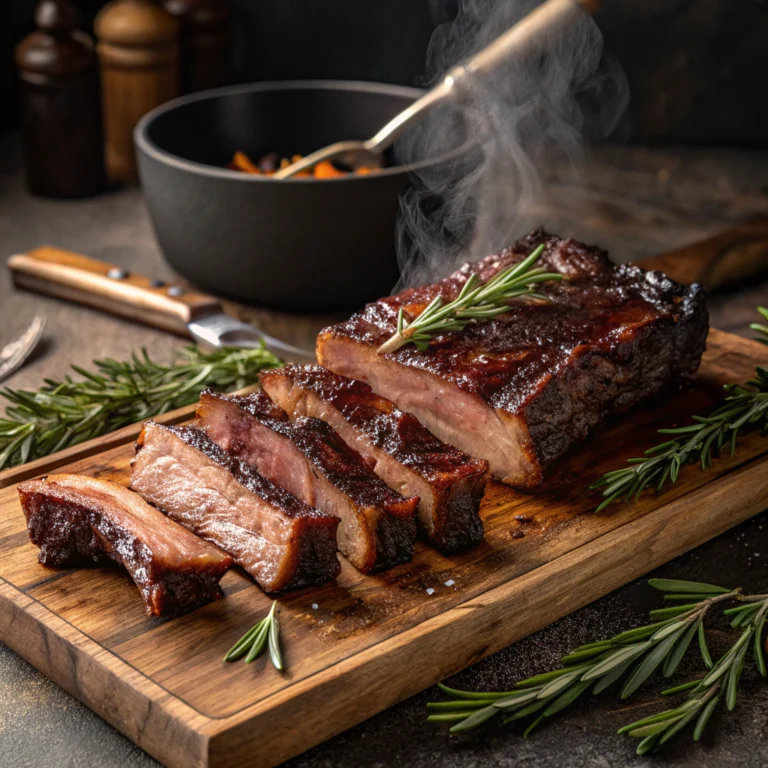
Once tender, carefully remove the steak from the pot and transfer it to a cutting board. Tent loosely with foil and let it rest for 15 minutes. This allows the juices to redistribute, leading to a much more succulent result. While the steak rests, you can reduce the braising liquid on the stovetop over medium-high heat to create a thicker sauce, if desired. Skim off any excess fat. Slice or shred the beef against the grain and serve with the rich, aromatic sauce.
Nutritional Information
A 6-ounce serving of braised beef chuck steak (without accompanying sides) generally contains:
- Calories: 350-450 kcal (approximate, varies with marbling and cooking fat)
- Protein: 45-55g (excellent source for muscle repair and satiety)
- Total Fat: 15-25g (includes saturated and unsaturated fats)
- Saturated Fat: 6-10g
- Carbohydrates: 2-5g (primarily from vegetables and wine reduction)
- Sodium: 300-500mg (highly dependent on beef broth sodium content)
- Iron: 4-6mg (about 20-30% of daily value for adults)
- Vitamin B12: High, essential for nerve function and energy.
Data insights suggest that braising meat locks in key nutrients while rendering some fat, making it an efficient way to gain protein and essential vitamins. This process, especially if you’re incorporating a homemade bone broth recipe slow cooker style, can significantly boost collagen and mineral content.
Healthier Alternatives for the Recipe
Adopting healthier alternatives for beef chuck steak recipes doesn’t mean sacrificing flavor or tenderness.
- Leaner Cut: While chuck steak is ideal for braising, a leaner cut like a top round can be used, though it might require slightly longer braising time to achieve the same tenderness.
- Reduced Sodium: Opt for low-sodium beef broth and taste before adding extra salt. You can always add more at the end.
- Extra Vegetables: Load up on root vegetables like carrots, celery, parsnips, or potatoes in the last hour of cooking. They absorb the rich flavors and boost fiber and nutrient content.
- Fat Skimming: After braising, allow the pot to cool slightly, then skim off the solidified fat from the surface of the sauce before serving. This significantly reduces the fat content without impacting flavor.
- Wine Alternatives: For those avoiding alcohol, use additional low-sodium beef broth, or explore options like dealcoholized red wine or a splash of balsamic vinegar for acidity.
Serving Suggestions
Elevate your beef chuck steak recipes into a meal with these creative and appealing serving suggestions:
- Creamy Polenta or Mashed Potatoes: The classic pairing! The rich sauce from the braised chuck steak is perfect for spooning over a creamy base.
- Roasted Root Vegetables: Carrots, parsnips, and potatoes roasted alongside the beef (or added to the pot during the last hour) complement the flavors beautifully.
- Crusty Bread: Essential for soaking up every drop of that incredible sauce.
- Fresh Green Salad: A bright, acidic salad with a vinaigrette dressing cuts through the richness of the beef, offering a refreshing contrast.
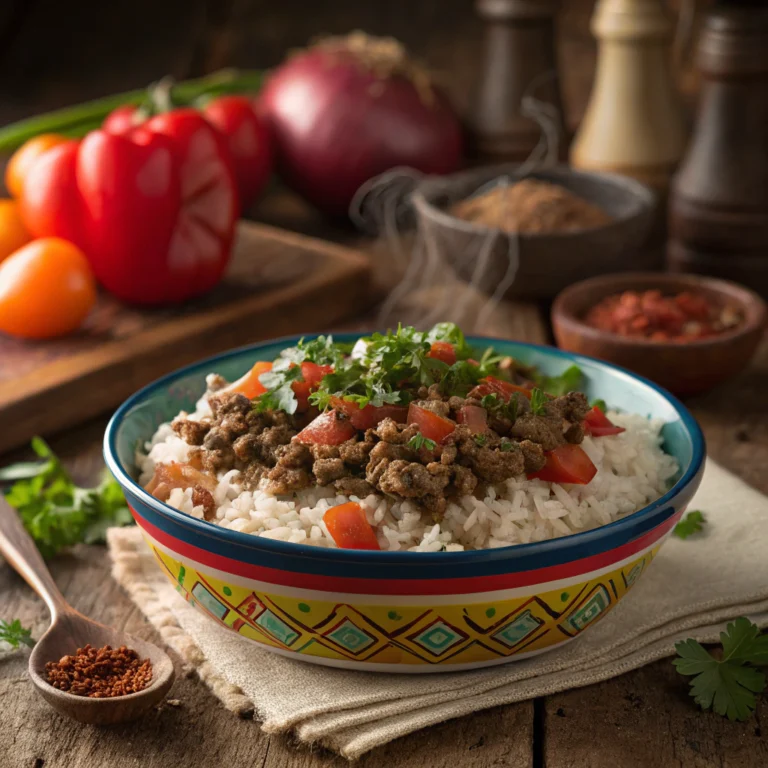
- Noodles or Rice: For an international twist, serve shredded beef over a bed of egg noodles or fluffy jasmine rice.
- Garnish: A sprinkle of fresh parsley or chives adds a pop of color and fresh flavor. Think about your personal preferences – do you love a vibrant contrast? Add something green!
Common Mistakes to Avoid
Even the best beef chuck steak recipes can go awry. Here are common pitfalls and how to steer clear:
- Not Searing Properly: Rushing the sear results in a less flavorful, less deeply colored crust. Data consistently shows that a proper Maillard reaction (browning) is the foundation of flavor. Ensure the pan is hot and don’t overcrowd it.
- Insufficient Braising Time: Chuck steak needs time for its connective tissues to break down. Pulling it too early will result in tough, chewy meat. A key indicator is whether it easily shreds with a fork – if not, keep braising! According to culinary studies, undercooking braised meats is the leading cause of disappointment.
- Too Much Liquid: While submersion is key, don’t drown the meat. Too much liquid dilutes the flavor of your sauce. Aim for the liquid to come roughly two-thirds up the sides of the steak.
- Skipping the Rest: Resting the meat after cooking allows juices to redistribute, preventing them from Gushing out when sliced. This is a simple step that significantly impacts tenderness.
- Over-seasoning Initial Sear: Remember you’ll be reducing a flavorful liquid. Start with a moderate hand on salt for the beef itself, and then adjust the sauce at the end.
Storing Tips for the Recipe
Ensuring your delicious beef chuck steak recipes remain fresh and flavorful for future meals:
- Cool Completely: Before storing, allow the cooked beef and sauce to cool completely at room temperature (no more than 2 hours) to prevent bacterial growth.
- Airtight Containers: Store cooked beef and its sauce together in airtight containers. The sauce helps keep the meat moist and flavorful.
- Refrigeration: Will last safely in the refrigerator for 3-4 days.
- Freezing: For longer storage, freeze in airtight, freezer-safe containers or heavy-duty freezer bags for up to 3 months. When freezing, ensure there’s minimal air to prevent freezer burn. Consider portioning into individual servings for easy reheating.
- Reheating: Thaw frozen beef in the refrigerator overnight. Reheat gently on the stovetop over low heat, adding a splash of extra beef broth or water if the sauce is too thick. You can also reheat in the oven, covered, at 300°F (150°C) until warmed through.
Conclusion
Mastering beef chuck steak recipes truly opens up a world of rich, tender, and incredibly satisfying meals without breaking the bank. By understanding the science behind the sear, the magic of long, slow braising, and the essential role of robust ingredients, you can consistently achieve fall-apart tenderness and deep, complex flavors. This versatile cut, once considered humble, transforms into a culinary triumph in your kitchen.
Ready to impress your taste buds and your guests? Don’t hesitate – gather your ingredients and try this recipe tonight! Share your results in the comments below, or tell us your favorite family secrets for achieving tender beef chuck steak recipes. For more transformative cooking guides and delicious ideas, explore our other recipes, including insights into how to make beef bone broth for an even richer culinary experience!
FAQs
Q1: Can I make this beef chuck steak recipe in a slow cooker?
A1: Absolutely! After searing the chuck steak and sautéing the aromatics on the stovetop (Step 1 & 2), transfer everything to your slow cooker. Add the braising liquid (Step 3). Cook on low for 6-8 hours or on high for 3-4 hours, or until the steak is fork-tender. This is an excellent method, especially if you’re looking into a bone broth recipe slow cooker style for an even deeper flavor.
Q2: Why is my chuck steak still tough after braising for so long?
A2: The most common reason for tough braised chuck steak is insufficient cooking time. While it might seem long, chuck steak has tough connective tissues that need extended low, moist heat to break down into gelatin, creating that tender texture. Ensure your liquid is simmering gently, not boiling vigorously, and give it more time until it literally falls apart with a fork. It’s better to overcook slightly with braising than undercook.
Q3: Can I add vegetables directly to the pot with the beef?
A3: Yes! Root vegetables like carrots, potatoes, and celery are excellent additions. Add heartier vegetables like carrots and potatoes during the last hour to 1.5 hours of cooking so they don’t turn to mush. If you’re incorporating delicate vegetables like peas or green beans, add them right at the end or serve them on the side.
Q4: Do I have to use red wine, or is there a good substitute?
A4: Red wine adds a wonderful depth of flavor and acidity, contributing to the richness of many beef chuck steak recipes. However, you can substitute it with an equal amount of additional beef broth. A splash of balsamic vinegar or a small amount of non-alcoholic red wine can also provide a similar acidic element.
Q5: Can I prepare this recipe ahead of time?
A5: This recipe is actually often better made ahead! The flavors of braised dishes, including beef chuck steak recipes, meld and deepen overnight. Prepare the dish completely, then let it cool, refrigerate it, and gently reheat on the stovetop or in the oven when ready to serve. This also allows you to easily skim any solidified fat from the top of the sauce before reheating, making it even healthier.