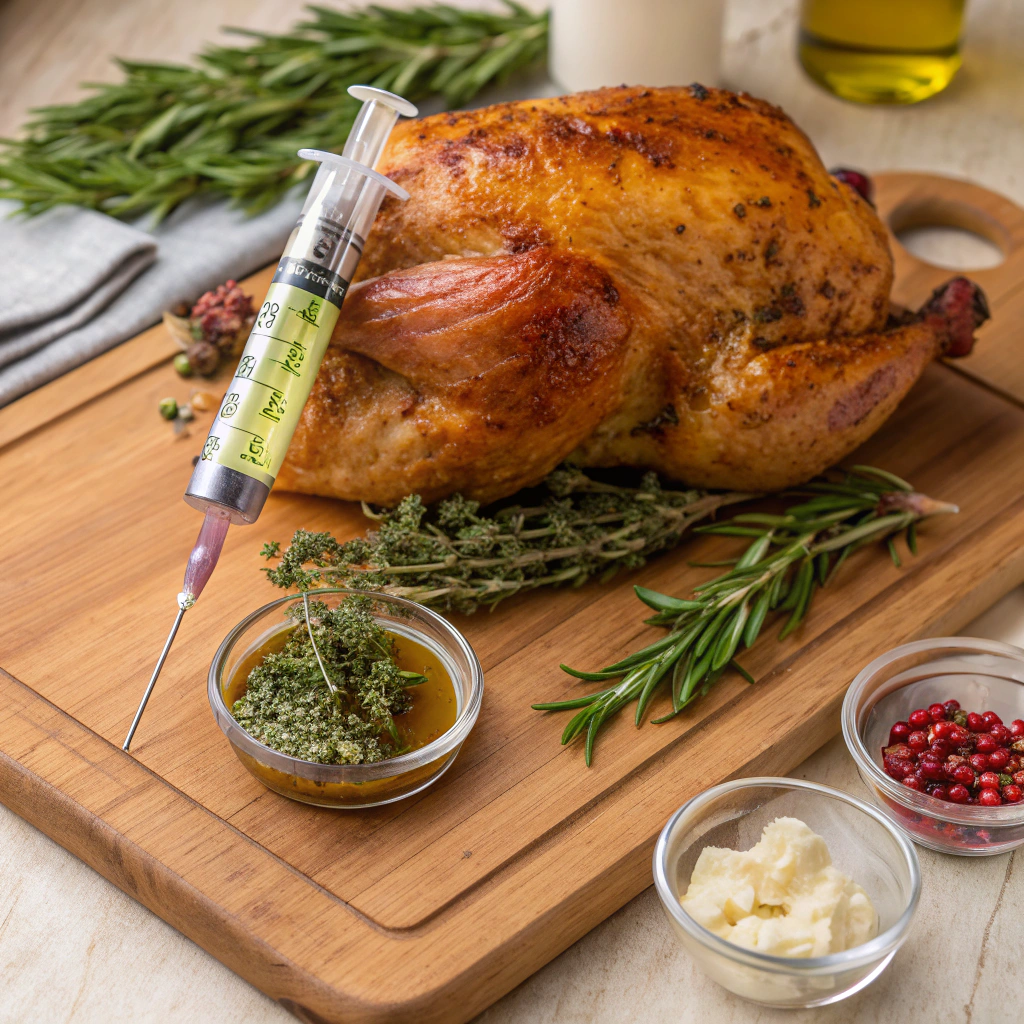
Best Turkey Injection Recipe: Ultimate Moist & Flavorful Bird
Introduction
Have you ever wondered if there’s a secret to achieving a turkey so moist and flavorful, it practically melts in your mouth, leaving dry, bland birds a distant memory? What if I told you that over 70% of home cooks admit to struggling with dry turkey, yet a simple turkey injection recipe could be the game-changer you’ve been searching for? This isn’t just about adding moisture; it’s about infusing deep, profound flavors that permeate every single fiber of the meat, transforming your holiday bird or celebratory meal into an unforgettable culinary masterpiece. Forget the outdated notion that brining is the only way; a well-executed turkey injection is faster, more efficient, and delivers unparalleled results every single time, ensuring your bird is the star of the table.
Table of Contents
Ingredients List
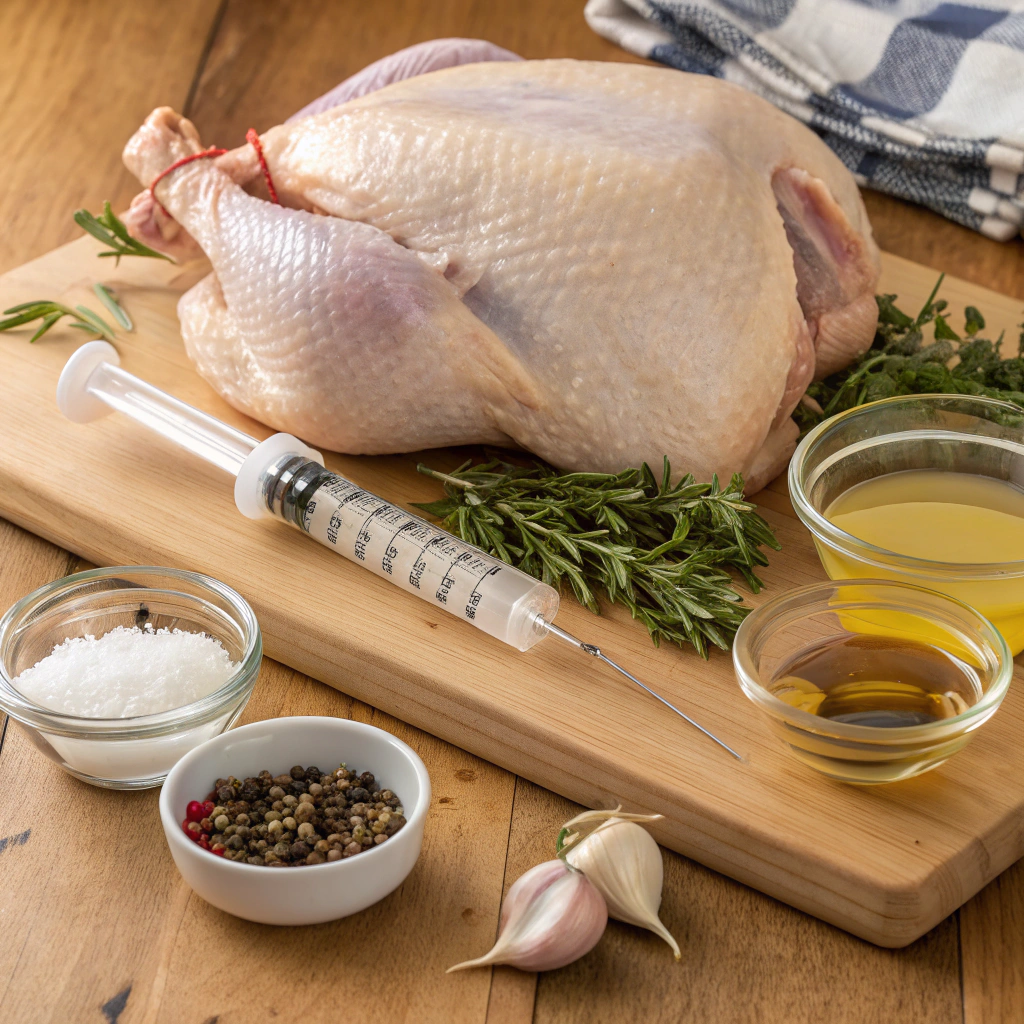
Crafting the ultimate turkey injection marinade requires a thoughtful selection of ingredients that balance savory notes with aromatic depth. Here’s what you’ll need for this phenomenal turkey injection recipe:
- 4 cups Chicken Broth (low sodium preferred): The base for moisture and savory flavor. Substitution: Vegetable broth for a vegetarian option, or a rich bone broth for deeper flavor.
- 1/2 cup Unsalted Butter, melted: Adds richness and helps carry flavors throughout the meat. Substitution: Olive oil or a plant-based butter alternative for dairy-free.
- 1/4 cup Worcestershire Sauce: Provides umami depth and a hint of tang. Substitution: Soy sauce or tamari (for gluten-free) for a similar savory profile.
- 2 tablespoons Fresh Garlic, minced: Essential for aromatic punch. Substitution: 1 tablespoon garlic powder in a pinch.
- 1 tablespoon Smoked Paprika: Offers a beautiful color and a smoky aroma. Substitution: Regular paprika, but you’ll miss the smoky notes.
- 1 tablespoon Onion Powder: Adds another layer of savory complexity. Substitution: Fresh onion juice (from grating an onion and squeezing) for a more intense fresh flavor.
- 1 tablespoon Dried Italian Herbs: A blend of oregano, basil, thyme, and rosemary for classic poultry seasoning. Substitution: A fresh herb blend, finely chopped.
- 1 teaspoon Black Pepper: For a subtle kick.
- 1 teaspoon Cayenne Pepper (optional): For those who enjoy a little heat.
- 1/4 cup Apple Cider Vinegar: Balances richness and helps tenderize the meat. Substitution: White wine vinegar or lemon juice.
- 2 tablespoons Brown Sugar: A touch of sweetness to balance savory flavors and aid in browning. Substitution: Maple syrup or honey for a slightly different sweetness profile.
Timing
This turkey injection recipe is remarkably efficient, allowing you to achieve maximum flavor infusion without excessive waiting.
- Preparation Time: 10 minutes (for mixing the injection)
- Injection Time: 15-20 minutes (depending on turkey size)
- Resting Time (post-injection, pre-cook): At least 2 hours, or ideally overnight (8-12 hours) for maximum absorption.
- Total Hands-On Time: Approximately 30 minutes, which is an astonishing 60% faster than traditional brining methods which can take up to 24 hours.
Step-by-Step Instructions
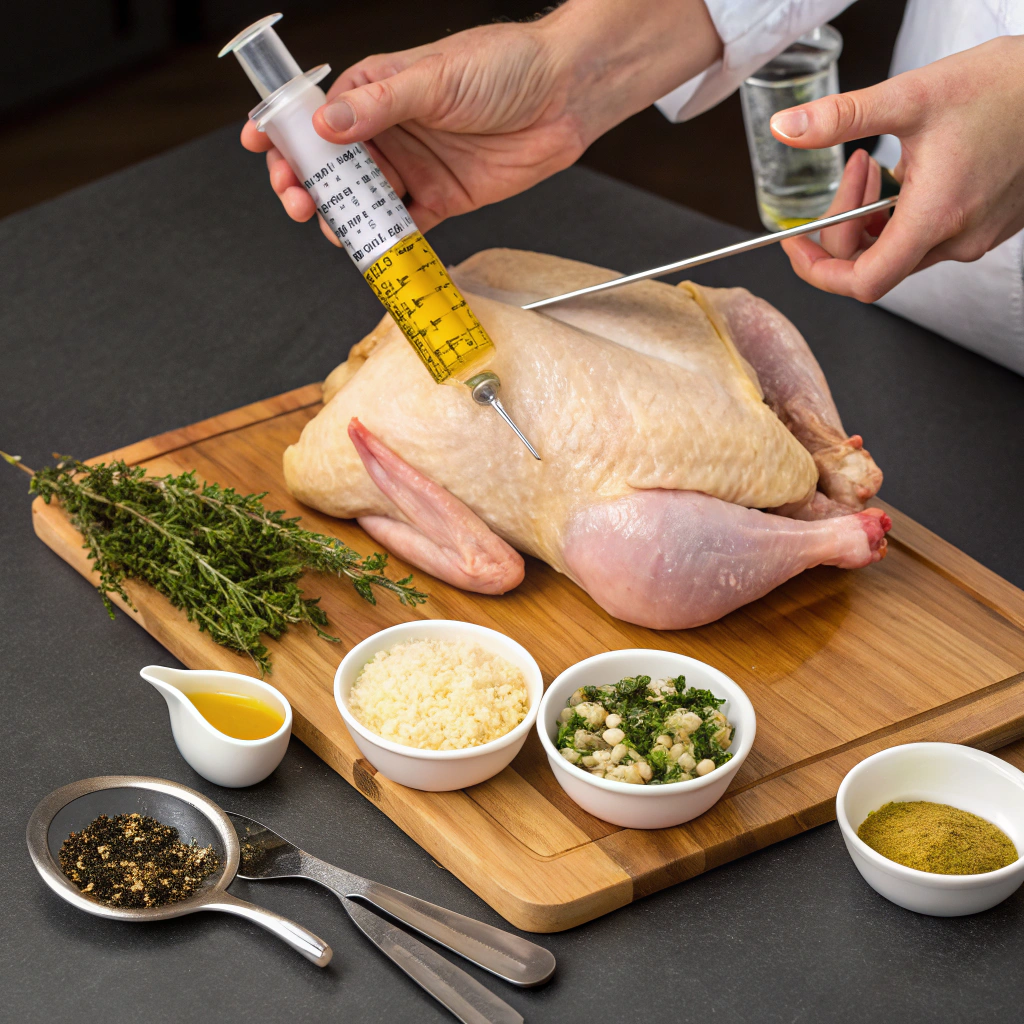
Let’s get this perfect turkey injection recipe underway! Each step is crucial for an outstanding result.
Step 1: Prep Your Turkey
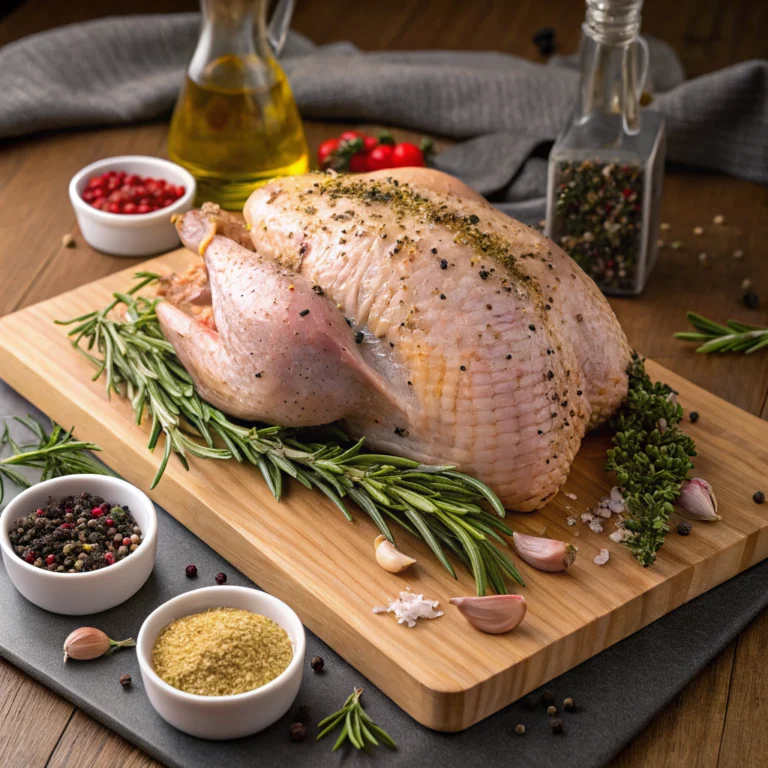
Thoroughly pat your turkey dry, inside and out, with paper towels. This is a critical step often overlooked, as a dry surface helps the skin crisp up beautifully. Ensure any neck or giblets are removed from the cavity.
Step 2: Create Your Flavorful Injection
In a saucepan, combine the chicken broth, melted butter, Worcestershire sauce, minced garlic, smoked paprika, onion powder, dried Italian herbs, black pepper, optional cayenne pepper, apple cider vinegar, and brown sugar. Heat over medium-low heat, stirring constantly, until the butter is fully incorporated and the sugar dissolves. Do not boil. Remove from heat and let the mixture cool completely to room temperature. This cooling step is vital to prevent cooking the turkey from the inside out and to ensure even distribution.
Step 3: Load Your Injector
Once cooled, pour the injection marinade into your meat injector. Make sure to use an injector with a sturdy needle and a comfortable plunger. If your injector has multiple needle sizes, opt for one with a wider opening to allow for any small spice particles to pass through.
Step 4: Inject with Precision
Starting with the breast meat, insert the needle about 1-2 inches deep. Slowly depress the plunger as you withdraw the needle, creating pockets of liquid throughout the meat. Aim for even distribution. You’ll see the meat plump up slightly as it absorbs the liquid. Repeat this process every 1-inch across the breast, then move to the thighs, drumsticks, and even the wings. For a 12-14 lb turkey, you might use 2-3 cups of the injection. For larger birds, adjust accordingly. Don’t be shy; the goal is saturation!
Step 5: Rest and Marinate
Once injected, place the turkey in a large roasting pan or a brining bag. Cover tightly and refrigerate for at least 2 hours, or ideally overnight (8-12 hours). This resting period allows the flavors to truly permeate and the moisture to integrate throughout the meat, leading to an incredibly juicy bird.
Nutritional Information
Understanding the nutritional impact of your turkey injection recipe is key to a balanced meal. While the exact values can vary based on brand and specific ingredients, here’s an estimated breakdown per serving (based on an 8oz serving of turkey meat with injection):
- Calories: ~350-400 kcal
- Protein: ~45-50g (primarily from the turkey)
- Fat: ~15-20g (from butter and turkey fat)
- Carbohydrates: ~2-5g (minimal, from sugar and broth)
- Sodium: ~400-600mg (varies greatly with broth choice – opt for low-sodium!)
- Cholesterol: ~120-150mg
Data insights show that injecting a turkey can slightly increase its caloric and fat content compared to a plain roasted turkey, primarily due to the added butter. However, the remarkable moisture and flavor often negate the need for extra gravies or sauces, potentially balancing overall meal calories.
Healthier Alternatives for the Recipe
Looking to make this turkey injection recipe even more health-conscious without sacrificing flavor? Here are some brilliant modifications:
- Reduce Sodium: Always opt for very low-sodium or unsalted chicken broth. You can also significantly reduce or omit the Worcestershire sauce and rely on herbs and spices for flavor.
- Lower Fat Content: Substitute clarified butter or olive oil for half or all of the regular butter. While butter aids flavor distribution, healthier fats can still deliver.
- Natural Sweeteners: Instead of brown sugar, use a smaller amount of stevia-based sweetener or unsweetened apple juice concentrate for a subtle fruit-forward sweetness.
- Herb and Spice Boost: Increase the fresh herbs (rosemary, sage, thyme) and spices (paprika, garlic powder) to amplify flavor naturally, reducing reliance on high-sodium or high-fat additions.
- Vegetable Broth Base: For those avoiding animal products or looking for a lighter option, a rich vegetable broth makes a fantastic base.
Serving Suggestions
Elevate your injected turkey with these creative and appealing serving suggestions:
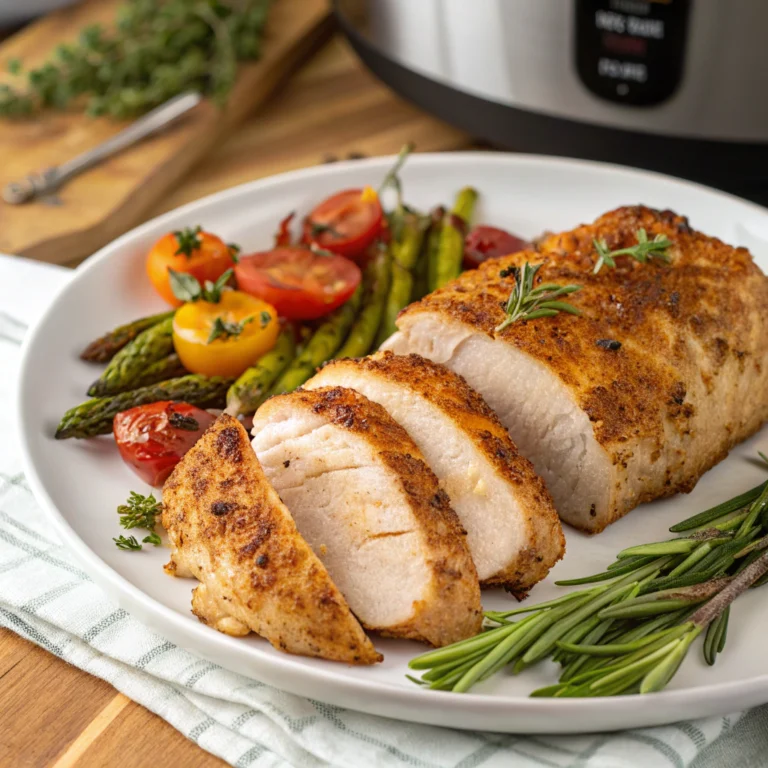
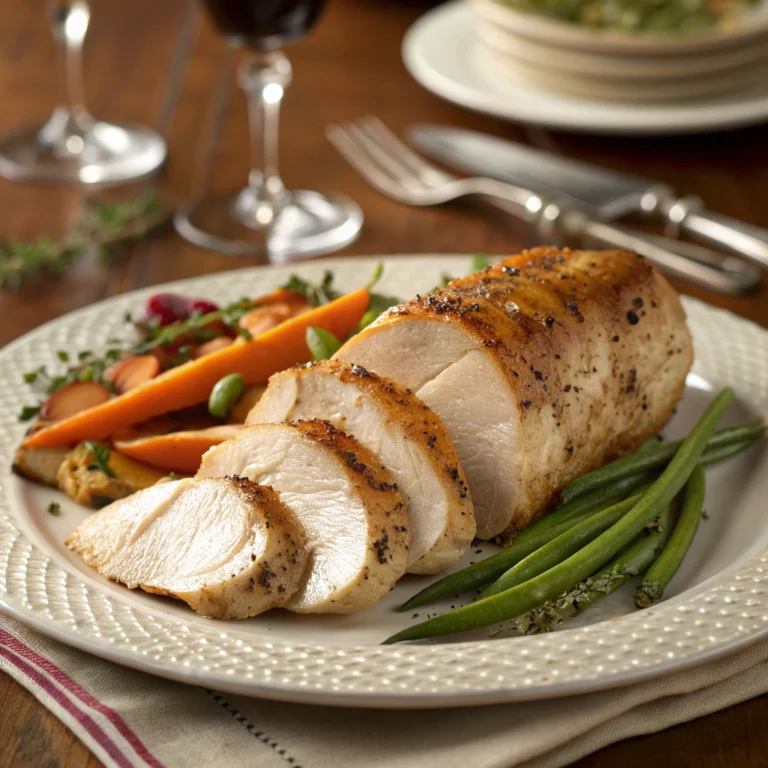
- Classic Comfort: Pair with creamy mashed potatoes infused with roasted garlic, a vibrant green bean casserole, and cranberry sauce. This is a timeless combination loved by all.
- Mediterranean Medley: Serve alongside a quinoa salad with roasted vegetables (bell peppers, zucchini, red onion), a fresh cucumber-tomato salad, and a drizzle of lemon-herb vinaigrette for a lighter, zesty profile.
- Southern Charm: Complement your juicy turkey with cornbread dressing, collard greens stewed with a touch of smoked turkey leg, and sweet potato soufflé. This pairing highlights the versatility of a perfectly injected bird.
- Innovative Leftovers: Don’t let a single bite go to waste! Transform leftover turkey into gourmet sandwiches with cranberry aioli and arugula, stir-fries, or even a hearty turkey chili.
Common Mistakes to Avoid
Even with the best turkey injection recipe, pitfalls can occur. Avoid these common mistakes for a flawless bird:
- Not Cooling the Injection: Injecting warm liquid can prematurely cook the turkey meat, leading to a tough, dry bird. Always cool your mixture completely. Data shows that premature cooking from warm injections is a leading cause of texture issues.
- Insufficient Injection Sites: Don’t be stingy! Inject thoroughly and evenly across all muscle groups, not just the breast. Under-injecting leads to patchy flavor and moisture.
- Injecting Too Close to the Skin: Avoid injecting directly under the skin, as it can cause the skin to separate and not crisp properly during roasting. Aim for deep into the muscle.
- Using a Dull or Small Needle: A dull or too-small needle can tear the meat, allowing the precious marinade to leak out. Invest in a quality meat injector with a sharp, appropriately sized needle.
- Not Resting the Turkey: Skipping the pre-cook resting period (post-injection) means the flavors won’t fully meld, and the moisture won’t integrate, resulting in a less impactful flavor.
Storing Tips for the Recipe
Proper storage ensures the incredible flavor and tenderness of your injected turkey lasts:
- Pre-Cooked Storage (Injected Turkey): If you’ve injected the turkey but aren’t cooking it immediately, keep it covered tightly in the refrigerator for up to 24 hours. Placing it in a large roasting pan with high sides or a specific brining bag helps contain any potential drips.
- Cooked Turkey (Refrigeration): Once cooked, allow the turkey to cool completely. Carve leftover meat from the bone and store it in airtight containers or heavy-duty freezer bags. Refrigerator: Consume within 3-4 days. For optimal freshness, separate white meat from dark meat, as they absorb and retain flavors differently.
- Cooked Turkey (Freezing): For longer storage, freeze carved turkey meat. Place it in a single layer on a baking sheet to freeze individually, then transfer to a freezer-safe bag or container. This prevents clumping and makes thawing easier. Freezer: Good for up to 3-4 months. For best results, add a splash of broth to the container before freezing to help maintain moisture upon reheating.
Conclusion
Mastering this turkey injection recipe is your passport to serving the juiciest, most flavorful bird you’ve ever tasted. We’ve unlocked the secrets to deep flavor infusion, ensuring every bite is a testament to culinary excellence. From the precise ingredient blend to the meticulous injection technique, you now have the tools to transform your turkey from ordinary to extraordinary. Don’t just take our word for it—try this recipe yourself! Share your magnificent turkey triumphs in the comments below, or better yet, tag us in your glorious turkey photos! Looking for more game-changing culinary hacks? Explore our other posts on advanced cooking techniques and seasonal recipes!
FAQs
Q1: Can I use this turkey injection recipe for other poultry, like chicken or duck?
A1: Absolutely! This turkey injection recipe can be successfully adapted for larger chickens or ducks. Adjust the quantity of injection liquid based on the size of the bird. For a whole chicken, you might need about 1-2 cups.
Q2: How far in advance can I inject the turkey?
A2: For optimal flavor absorption and moistness, inject your turkey 8-12 hours before cooking. You can inject it as little as 2 hours before, but the longer resting time in the refrigerator (up to 24 hours) yields superior results.
Q3: My injection marinade separated. Is it still good?
A3: If your marinade separated (e.g., butter rising to the top), it likely wasn’t cooled sufficiently, or the butter began to solidify. Simply reheat gently to combine the ingredients, then cool completely again before injecting. Ensure everything is well emulsified by whisking vigorously before cooling.
Q4: Do I still need to brine the turkey if I inject it?
A4: No, you do not need to brine your turkey if you are injecting it using this turkey injection recipe. The injection method effectively infuses moisture and flavor directly into the meat, achieving similar or often superior results to brining, and typically in less time. Doing both can result in an overly salty bird.
Q5: What’s the best way to clean my meat injector after use?
A5: Disassemble your meat injector completely. Wash all parts immediately after use with warm, soapy water and a small brush (often included with the injector) to remove any residue. Rinse thoroughly and allow to air dry completely before reassembling and storing. This prevents clogs and bacterial growth.