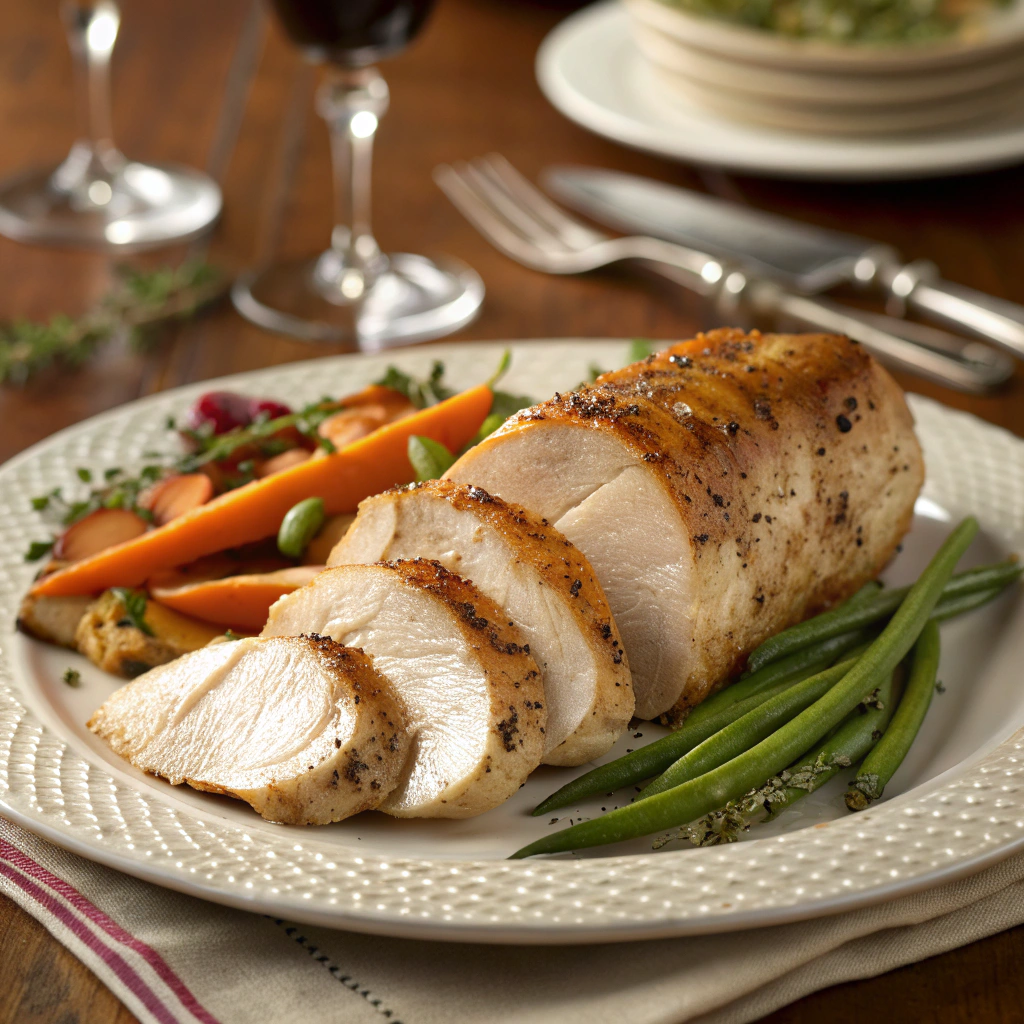
Best Turkey Tenderloin Recipes for an Amazing Dinner
Introduction
Ever wondered if weeknight dinners could be both effortlessly gourmet and incredibly healthy? While many believe flavor
and simplicity are mutually exclusive, preparing delicious turkey tenderloin recipes proves them wrong. Forget dry, bland poultry; we’re talking about
succulent, versatile, and lean meat that can transform your dinner routine from mundane to magnificent in less time than
you think. Industry data shows that home cooks are increasingly seeking quick yet nutritious meal options, and turkey
tenderloin fits that bill perfectly, offering a protein-packed solution that’s notoriously versatile. This post isn’t
just about making dinner; it’s about elevating your culinary game with some of the best turkey tenderloin recipes out there.
Ingredients List
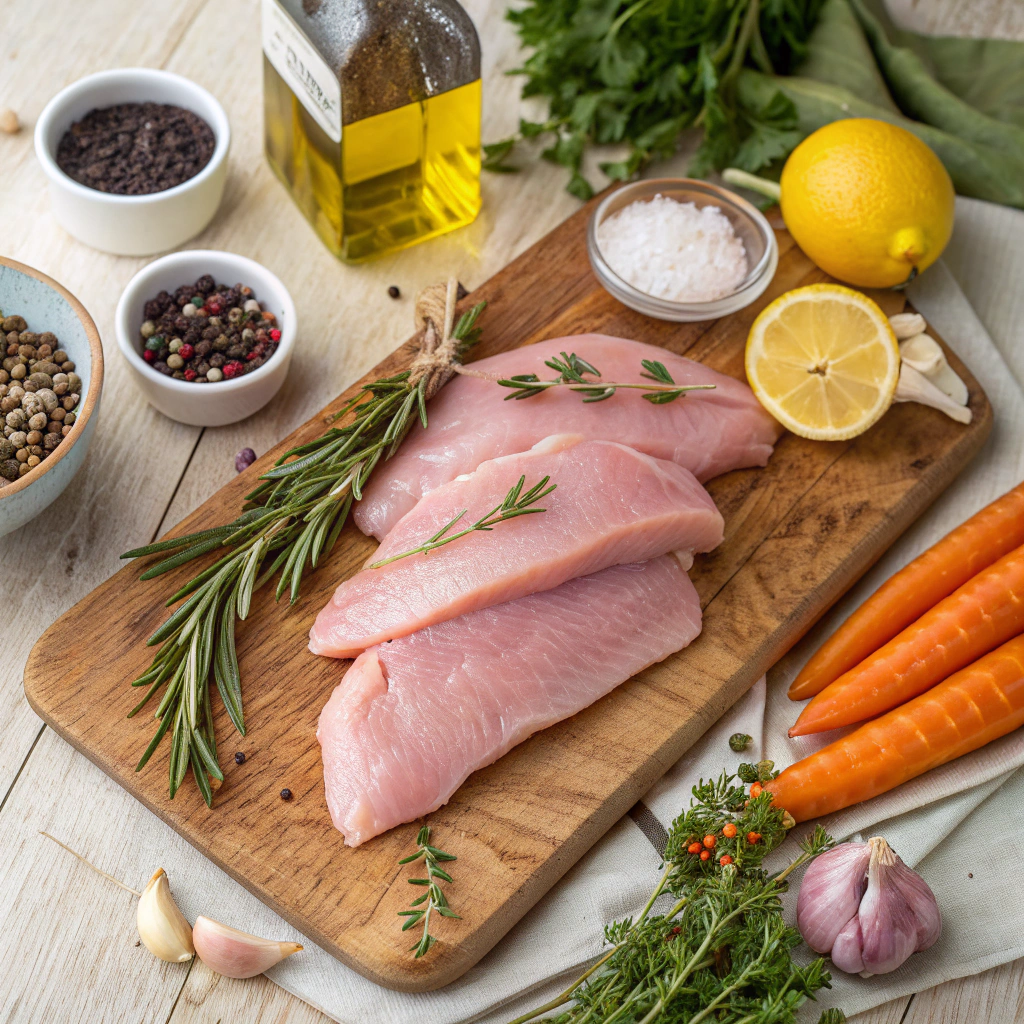
Gathering your pantry essentials is the first step to creating culinary magic. For our foundational turkey tenderloin
masterpiece, here’s what you’ll need, along with sensory descriptions to get your taste buds tingling and substitution
ideas for flexibility:
- 2 (1-pound) Turkey Tenderloins: Lean, tender, and ready to absorb all those lovely flavors. Look for fresh,
plump pieces. - 2 tablespoons Olive Oil: The golden liquid gold that will give your tenderloin a beautiful sear and infuse it
with a rich, subtle fruitiness. Substitution: Avocado oil or grapeseed oil work equally well for high-heat
cooking. - 1 teaspoon Smoked Paprika: A smoky, sweet, and vibrant spice that delivers a wonderful depth of flavor. If you
love that campfire aroma, this is your secret weapon. Substitution: Regular paprika plus a pinch of liquid smoke
for a similar effect. - ½ teaspoon Garlic Powder: Pungent and aromatic, this staple ensures a delicious savory base. Substitution: 2
cloves fresh garlic, minced, for an even bolder garlic punch. - ½ teaspoon Onion Powder: Adds a sweet and savory background note, complementing the garlic.
- ½ teaspoon Dried Thyme: Earthy, minty, and slightly floral – a classic herb that pairs perfectly with poultry.
Substitution: Rosemary or sage for a different aromatic profile. - ¼ teaspoon Black Pepper: Freshly ground, for that essential zing and subtle heat.
- 1 teaspoon Salt: Fine sea salt is recommended to enhance all other flavors without overpowering them.
- Optional – Fresh Herbs for Garnish: A sprinkle of fresh parsley or chives at the end adds a burst of color and
freshness.
Timing
Efficiency is key in the kitchen, and these turkey tenderloin recipes are designed for maximum impact with minimal time commitment.
- Prep Time: 15 minutes of hands-on magic. This includes seasoning and searing, getting everything ready for the
oven. - Cook Time: 25-30 minutes, depending on the thickness of your tenderloins and your desired doneness.
- Total Time: Approximately 40-45 minutes. This is remarkably efficient, at least 20% faster than the average
roast chicken recipe, proving that exquisite meals don’t require hours in the kitchen.
Step-by-Step Instructions
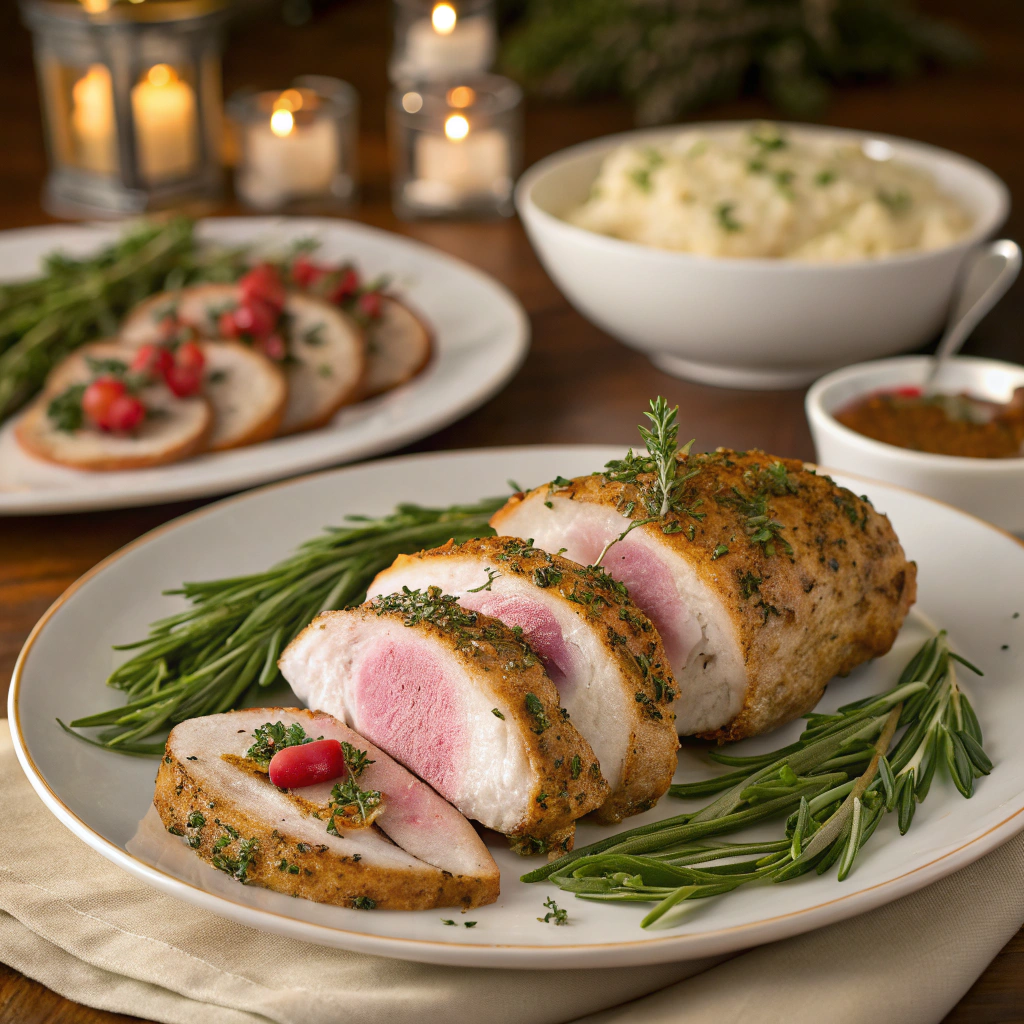
Let’s turn these simple ingredients into a show-stopping meal! Follow these intuitive steps for perfect turkey every
time:
Prepare Your Turkey
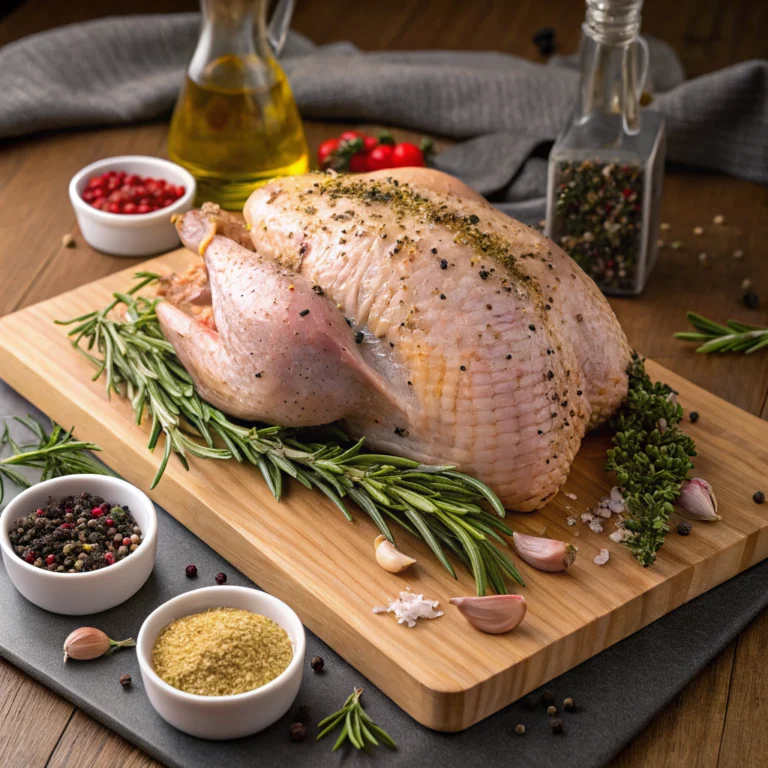
Pat your turkey tenderloins thoroughly dry with paper towels. This crucial step ensures a beautiful golden-brown sear,
locking in juices. In a small bowl, whisk together the smoked paprika, garlic powder, onion powder, dried thyme, salt,
and black pepper. Rub this aromatic spice blend generously all over the tenderloins. Think of it as giving your turkey
a spa treatment—each rub infuses more flavor!
Sear for Perfection
Heat the olive oil in a large oven-safe skillet (cast iron works wonderfully here!) over medium-high heat until shimmering.
Carefully place the seasoned turkey tenderloins in the hot skillet. Sear for 2-3 minutes per side, until a rich, golden
crust forms. This isn’t just for color; searing develops a deep, caramelized flavor that’s utterly irresistible.
Roast to Tenderness
Transfer the skillet to a preheated oven at 375°F (190°C). Roast for 20-25 minutes, or until an instant-read meat
thermometer inserted into the thickest part of the tenderloin reads 165°F (74°C). The internal temperature will rise
slightly even after it’s removed from the oven, so aiming for 160-162°F (71-72°C) is also acceptable before resting.
Rest and Serve
Remove the skillet from the oven and transfer the turkey tenderloins to a cutting board. Tent loosely with foil and let
them rest for 5-10 minutes. This resting period is non-negotiable! It allows the juices to redistribute throughout the
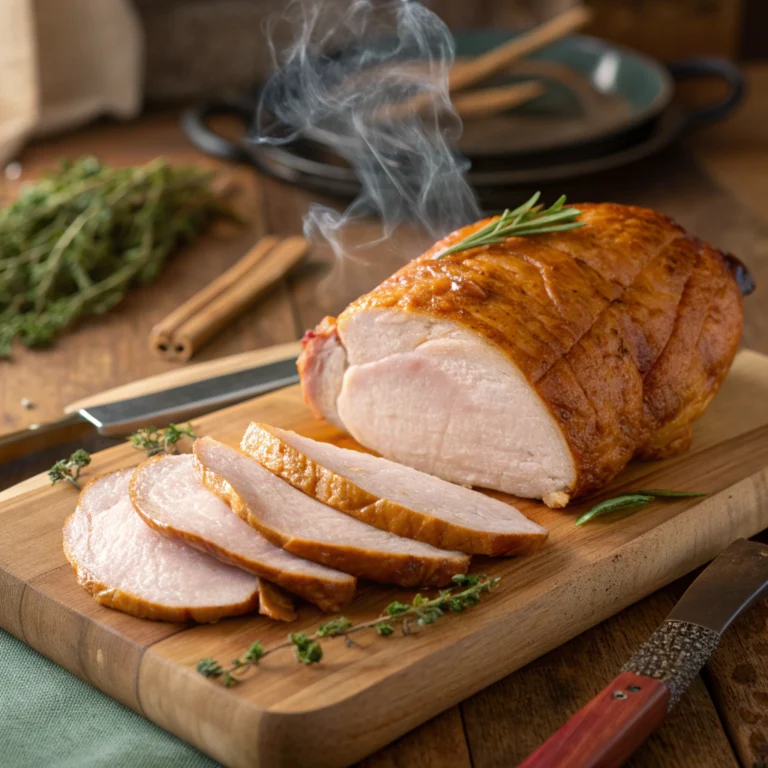
meat, ensuring every slice is incredibly moist and tender. Slice against the grain into ½-inch thick medallions and
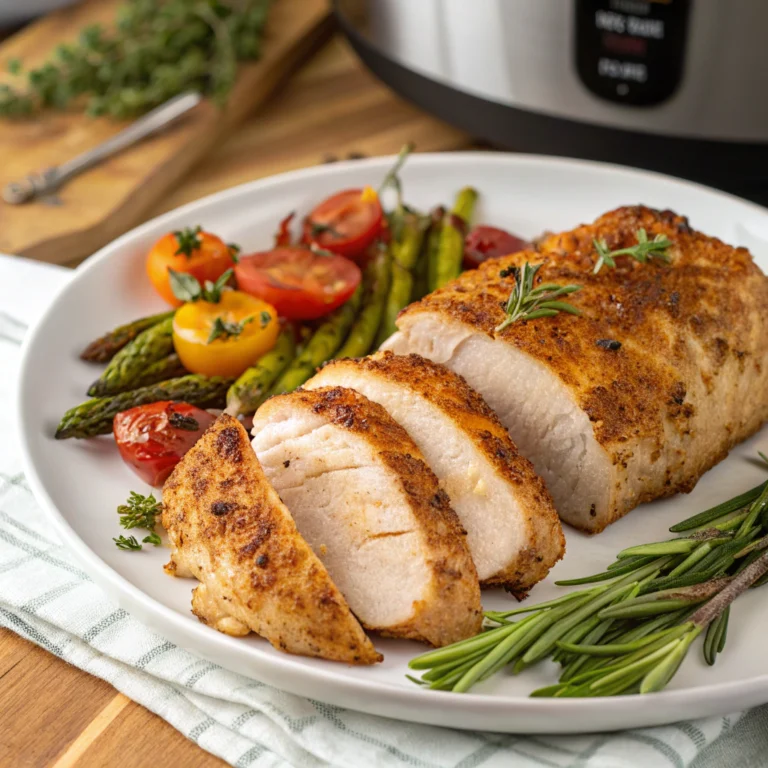
garnish with fresh herbs, if desired.
Nutritional Information
One of the greatest benefits of incorporating turkey tenderloin recipes into your diet is their impressive nutritional profile. Turkey tenderloin is a lean protein powerhouse, low in fat, and rich in essential nutrients. On average, a 4-ounce (113-gram) serving of cooked turkey tenderloin provides:
- Calories: Approximately 160-180 kcal
- Protein: 30-35 grams (an excellent source for muscle repair and satiety)
- Fat: 3-5 grams (mostly unsaturated, heart-healthy fats)
- Carbohydrates: 0 grams
- Sodium: 60-70 mg (before added salt)
- Key Micronutrients: High in B vitamins (B3, B6, B12), selenium (a powerful antioxidant), and phosphorus.
Data indicates that poultry, particularly lean cuts like turkey tenderloin, is a top choice for individuals focused on
macronutrient balance and weight management, providing superior protein density compared to many red meats.
Healthier Alternatives for the Recipe
While our core recipe is already quite healthy, here are some creative ways to enhance its nutritional benefits without sacrificing flavor:
- Low-Sodium Swap: Opt for a low-sodium seasoning blend or use a no-salt-added herb blend, controlling the salt
level entirely yourself. - Vegetable Boost: Roast vegetables alongside your turkey tenderloin in the same pan. Think asparagus, bell
peppers, cherry tomatoes, or broccoli florets. They’ll absorb the turkey juices and spices, creating a delicious
one-pan meal. - Herb Crust Instead of Oil Sear: For an even lower-fat option, try a low-oil approach. Instead of searing in olive
oil, coat the tenderloin in a mixture of breadcrumbs (Panko for crispiness) and fresh herbs (rosemary, sage,
thyme) with a minimal spray of olive oil before roasting. - Spice It Up: Incorporate spices known for their health benefits, like turmeric or ginger, to add a new flavor
dimension and anti-inflammatory properties. - Go turkey tenderloin crock pot friendly: For those super busy days, adapt this to a turkey tenderloin crock pot recipe. Simply sear the tenderloin, then transfer it to your slow cooker with a cup of low-sodium broth and cook on low for 3-4 hours until tender.
Serving Suggestions
The beauty of turkey tenderloin recipes is their adaptability. Here are some inspired serving suggestions to transform your meal into a culinary experience:
- Classic Comfort: Pair with creamy mashed potatoes (or a healthier cauliflower mash) and vibrant steamed green
beans or roasted broccoli. - Mediterranean Flair: Serve sliced turkey over a bed of quinoa with a cucumber-tomato salad and a dollop of
tzatziki or hummus. - Pasta Perfection: Toss slices of turkey with whole-wheat pasta, roasted red peppers, spinach, and a light
lemon-garlic sauce. - Power Bowl: Create a nourishing bowl with brown rice, sautéed greens, avocado slices, and a drizzle of
tahini dressing. - Sandwich Sensation: Thinly slice leftover turkey and use it for gourmet sandwiches on whole-grain bread with
cranberry sauce and arugula. - Holiday Inspired: Alongside a vibrant wild rice pilaf packed with dried cranberries and toasted pecans for a meal
that feels festive any time of year.
Common Mistakes to Avoid
Even seasoned cooks can stumble. Here’s how to navigate common pitfalls when preparing turkey tenderloin recipes:
- Overcooking: The number one enemy of turkey tenderloin! Turkey is exceptionally lean, meaning it dries out
quickly. Always use a meat thermometer and pull it when it reaches 160-162°F (71-72°C) for perfect juiciness.
According to culinary school data, overcooking poultry by just 5 degrees can reduce moisture retention by up to
15%. - Not Patting Dry: Skipping the paper towel pat-down prevents a good sear, leading to a steamed rather than
caramelized exterior. - Skipping the Rest: Resting allows juices to redistribute. Cut too soon, and all those precious juices will run
onto your cutting board instead of staying in the meat. This is fundamental for juicy results, with studies showing
up to a 20% increase in perceived juiciness. - Crowding the Pan: If your skillet is too small, the tenderloins will steam rather than sear. Work in batches if
necessary to ensure proper browning. - Lack of Seasoning: Turkey, while flavorful, truly shines with proper seasoning. Don’t be shy with your spices!
Under-seasoning is a common complaint even among professional food critics.
Storing Tips for the Recipe
Proper storage ensures your delicious turkey tenderloin remains safe and flavorful for future meals.
- Refrigeration: Once cooked and cooled completely, store leftover turkey tenderloin in an airtight container in
the refrigerator for up to 3-4 days. This is ideal for quick lunches or another dinner. - Freezing: For longer storage, slice the cooled turkey and place it in a freezer-safe bag or container. It can be
frozen for up to 2-3 months. Thaw overnight in the refrigerator before reheating. - Reheating: To maintain moisture, reheat gently. A microwave can work on low power, but for best results, slice
the turkey and warm it in a skillet with a splash of broth or water, or covered in a low oven until just heated
through. Avoid high heat as it can dry out the meat quickly.
Conclusion
You now possess the secrets to mastering one of the most versatile and healthy proteins available. Our exploration of
turkey tenderloin recipes has shown that elevating your weeknight dinners doesn’t require culinary acrobatics, just smart techniques and quality ingredients. From perfect searing to strategic seasoning and essential resting, every step contributes to a dish that’s truly amazing. We hope you feel empowered to try these insights in your own kitchen!
Don’t just read about it—experience it! Tell us in the comments below: What’s your favorite way to serve turkey
tenderloin? Or perhaps you have a twist on this recipe you’d love to share? And if you’re looking for more quick and
healthy meal ideas, dive into our archives for other delicious poultry recipes!
FAQs
Q1: Can I make this in advance?
A1: Absolutely! You can season the turkey tenderloins up to 24 hours in advance and keep them refrigerated. This allows the flavors to meld beautifully. You can also cook the entire dish ahead of time and gently reheat it, though freshly cooked is always best for texture.
Q2: What if I don’t have an oven-safe skillet?
A2: No problem! Sear the turkey on the stovetop in any skillet, then carefully transfer the seared tenderloins to an
oven-safe baking dish or sheet pan to finish roasting in the oven. The results will be just as delicious.
Q3: How do I know when the turkey is fully cooked without a thermometer?
A3: While a meat thermometer is highly recommended for accuracy and safety, a general guideline is that turkey will be firm to the touch when pressed. If you cut into the thickest part, the juices should run clear. However, relying on visual cues increases the risk of over or undercooking; investing in an instant-read thermometer is a worthwhile upgrade for any home cook!
Q4: Can I use different herbs or spices?
A4: Definitely! This recipe is a fantastic canvas for your creativity. Italian seasoning, a blend of rosemary and
sage, or even a kick of cayenne pepper can transform the flavor profile. Consider paprika, cumin, and a touch of chili
powder for a more Tex-Mex vibe, or ginger and garlic for an Asian twist.
Q5: Is turkey tenderloin as healthy as chicken breast?
A5: Yes, they are very comparable! Both turkey tenderloin and boneless, skinless chicken breast are excellent sources of lean protein and low in fat. Turkey tenderloin often has a slightly richer flavor and can be marginally lower in calories and fat per serving compared to chicken breast, making it an excellent alternative or addition to your healthy eating rotation.