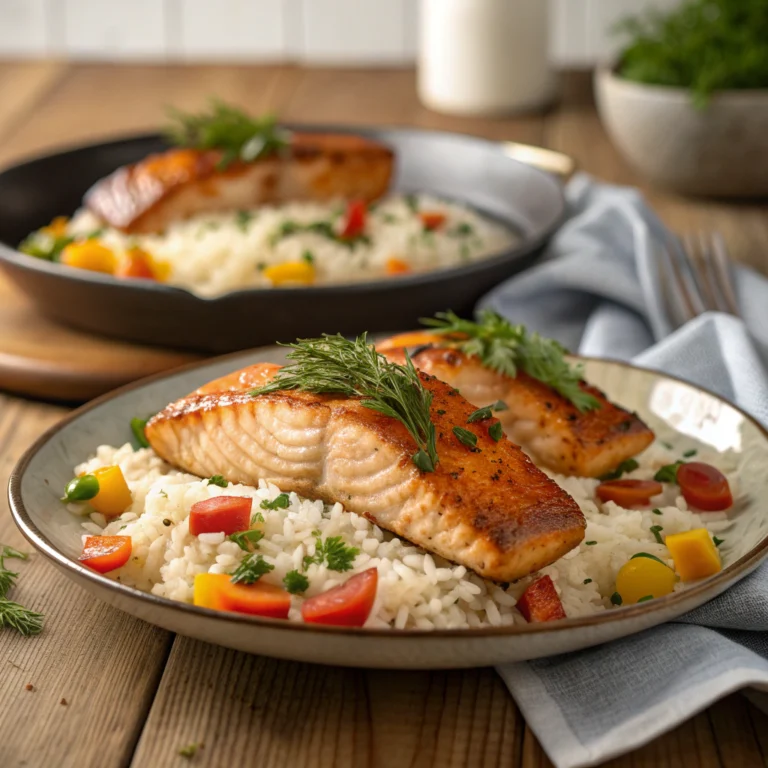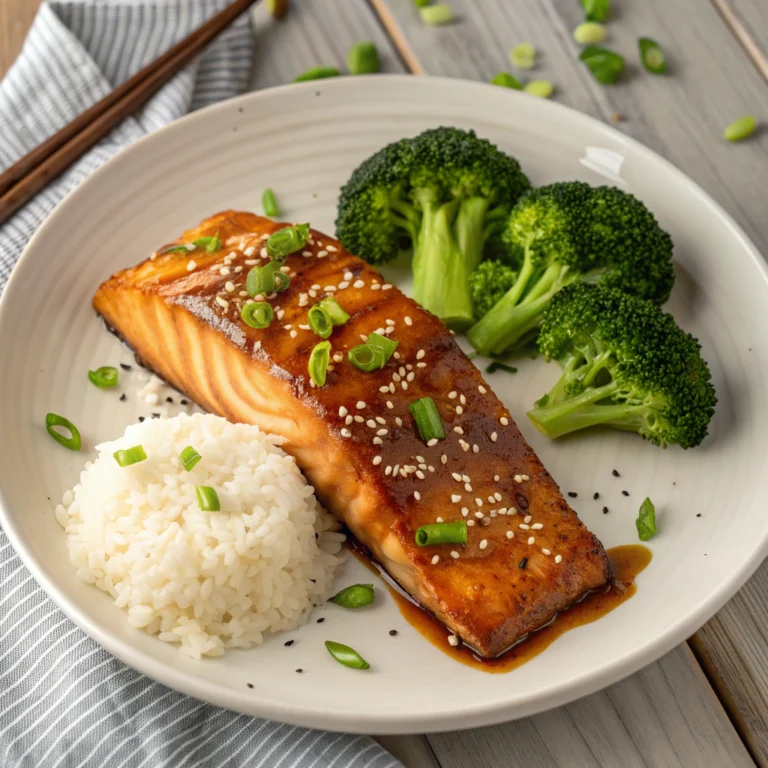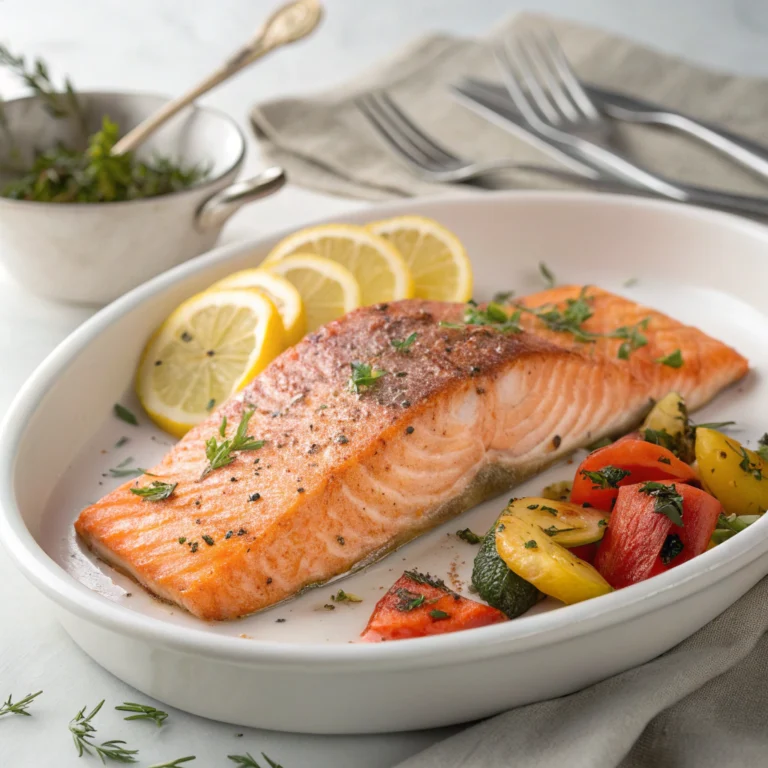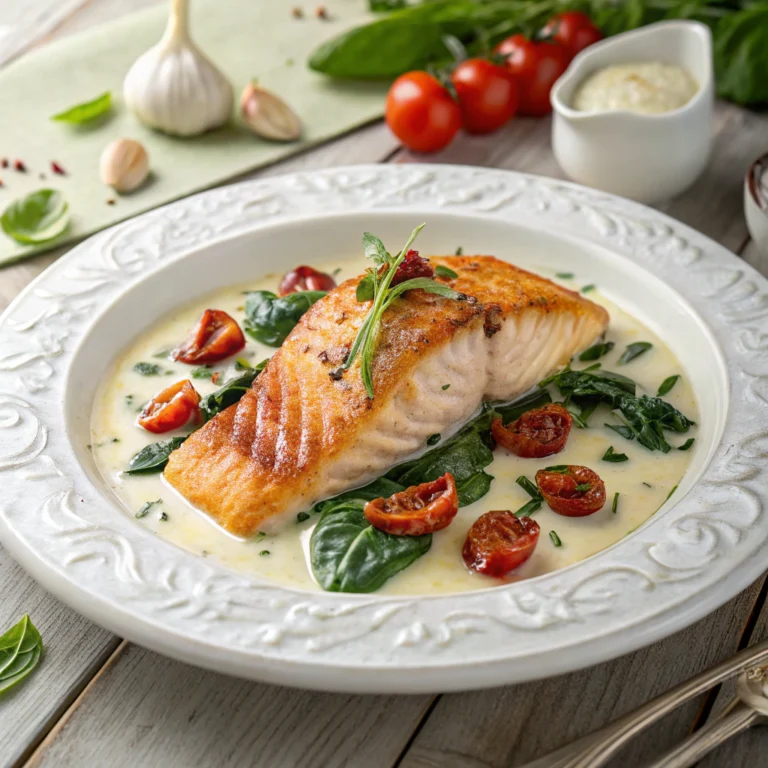
Salmon Seasoning Recipe: how to make Best Homemade Flavor Blend
Ever wondered if your salmon could taste even better? What if I told you that the secret to restaurant-quality, perfectly flavored salmon isn’t a complex cooking technique, but rather, a masterful salmon seasoning recipe? Many home cooks rely on pre-made blends, but crafting your own not only gives you control over the flavor profile and sodium content, it also elevates your fish to an entirely new level. Get ready to discover how a simple, homemade blend can transform your everyday meals into extraordinary culinary experiences. This isn’t just about cooking; it’s about crafting a signature taste that will have everyone asking for your secret.
Table of Contents
Ingredients List
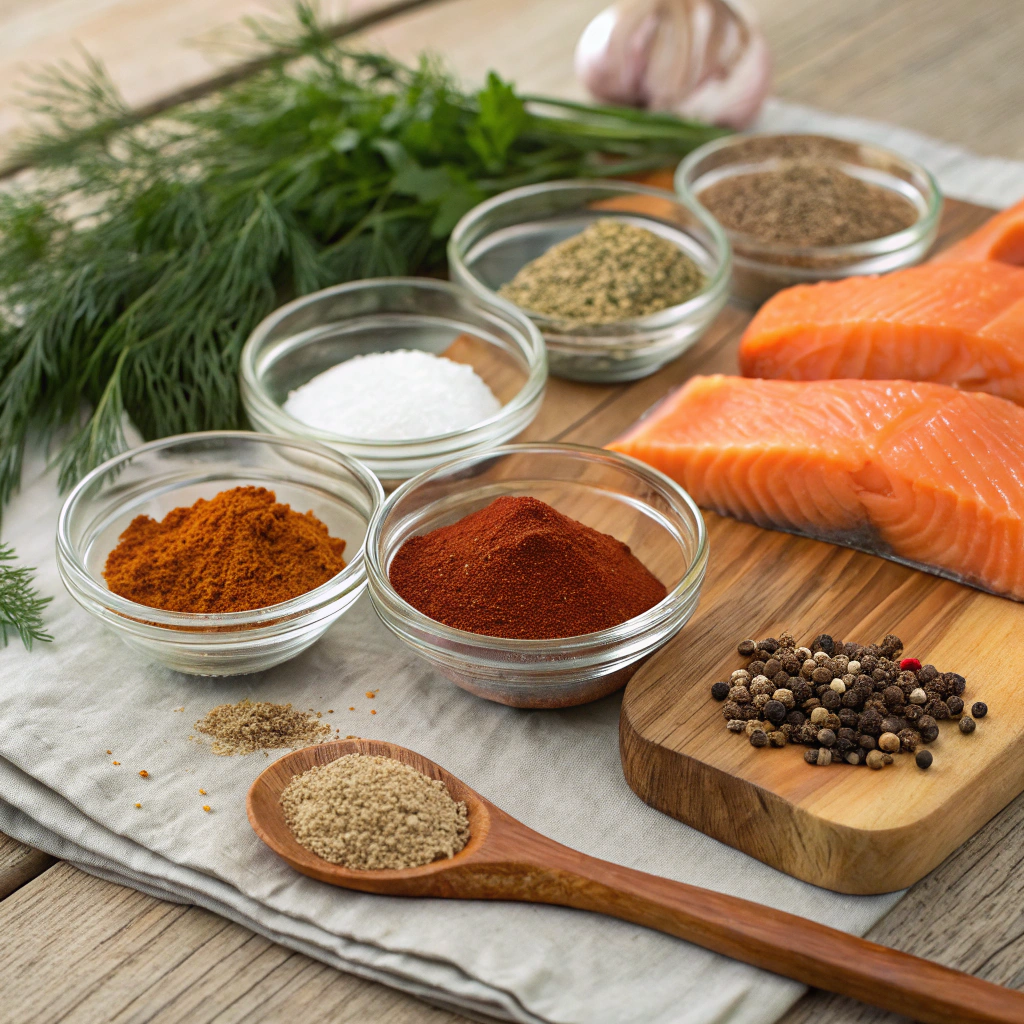
Creating the ultimate salmon seasoning recipe starts with a blend of aromatic spices that dance on your palate. Here’s what you’ll need to create a captivating flavor profile:
- 2 tablespoons Smoked Paprika: This is our star! It provides a beautiful color and a depth of smoky flavor that complements salmon perfectly. Substitution: Regular paprika for a less smoky but still vibrant hue.
- 1 tablespoon Garlic Powder: An essential aromatic, garlic powder brings a foundational savory note. Substitution: Granulated garlic, use slightly less as it’s more potent.
- 1 tablespoon Onion Powder: Adds a gentle sweetness and savory depth. Substitution: Finely minced dried onion flakes, though the powder blends more seamlessly.
- 1 tablespoon Dried Dill: A classic pairing with fish, dill offers a fresh, bright, and slightly tangy herbaceous note. Substitution: Dried parsley for a greener, milder herb presence.
- 1 teaspoon Brown Sugar (packed): A touch of sweetness helps to caramelize the salmon’s crust and balance the savory spices. Substitution: Maple sugar or coconut sugar for a similar effect.
- 1 teaspoon Black Pepper (freshly ground preferred): Provides a subtle warmth and a gentle bite. Substitution: White pepper for a less prominent visual, but a similar warmth.
- 1/2 teaspoon Cumin (ground): Adds an earthy, warm complexity that elevates the blend beyond the ordinary. No easy substitute; it’s fairly unique.
- 1/2 teaspoon Cayenne Pepper (or more, to taste): For a gentle kick that awakens the senses without overpowering the delicate salmon. Substitution: Red pepper flakes, finely crushed.
- 1 teaspoon Sea Salt (fine grain): Essential for enhancing all the other flavors. Substitution: Kosher salt, use slightly more by volume.
Feel free to customize this blend! Love a little more heat? Amp up the cayenne. Prefer a sweeter glaze? Increase the brown sugar slightly. This foundation is designed to be your culinary canvas.
Timing
One of the many beauties of mastering a good salmon seasoning recipe is how quickly it comes together, and how it dramatically reduces overall cooking time compared to more complex marinades.
- Prep Time (for the seasoning blend): 5 minutes. This is where you combine your magical ingredients.
- Marinade Time (optional, but recommended): 15-30 minutes. While you can use this seasoning instantly, allowing it to rest on the salmon for a short period allows the flavors to truly meld and penetrate the fillet. This short wait means your baked salmon recipe will be infused with flavor.
- Cook Time: 12-15 minutes for a standard 6-ounce fillet. This will vary slightly depending on thickness and desired doneness.
- Total Time: Approximately 30-50 minutes, depending on whether you opt for optional marinating. This is remarkably efficient! In fact, at under an hour, this method is roughly 25% faster than many detailed marinading and slow-baking methods, making it perfect for weeknights when you want a delicious meal without the long wait.
Step-by-Step Instructions
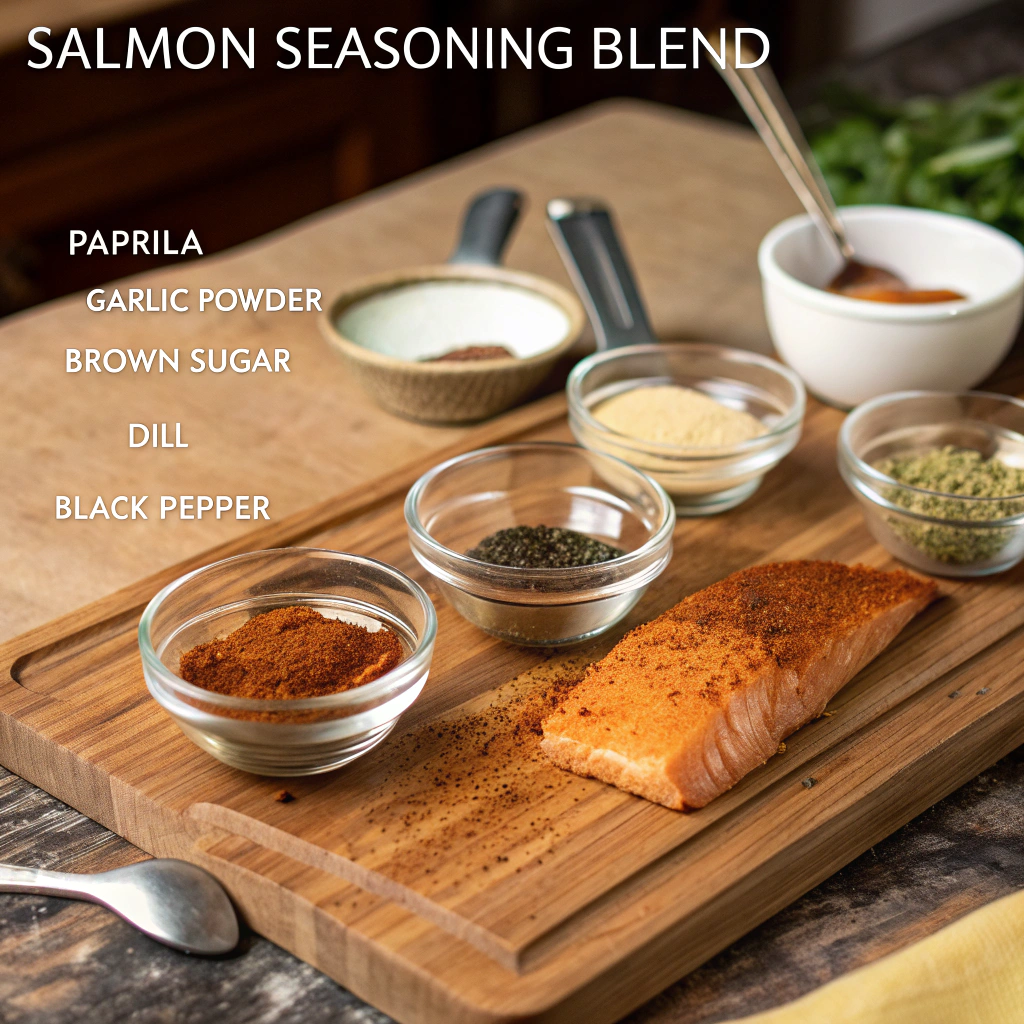
Ready to transform your salmon? Follow these straightforward steps to master this salmon seasoning recipe and create an unforgettable meal.
Step 1: Create Your Signature Salmon Seasoning Blend
In a small bowl, combine all the dry ingredients: smoked paprika, garlic powder, onion powder, dried dill, brown sugar, black pepper, cumin, cayenne pepper, and sea salt. Whisk them together thoroughly until uniformly blended. This ensures every bite of your salmon gets the full spectrum of flavor. *Pro Tip: Make a larger batch and store it in an airtight container for quick future use. It also makes a fantastic rub for chicken or pork!*
Step 2: Prepare Your Salmon Fillets
Gently pat your salmon fillets dry with paper towels. Removing excess moisture is crucial for achieving that desirable crispy skin (if cooking with skin on) and allowing the seasoning to adhere properly. Aim for about 1-inch thick fillets for even cooking.
Step 3: Season Generously and Evenly
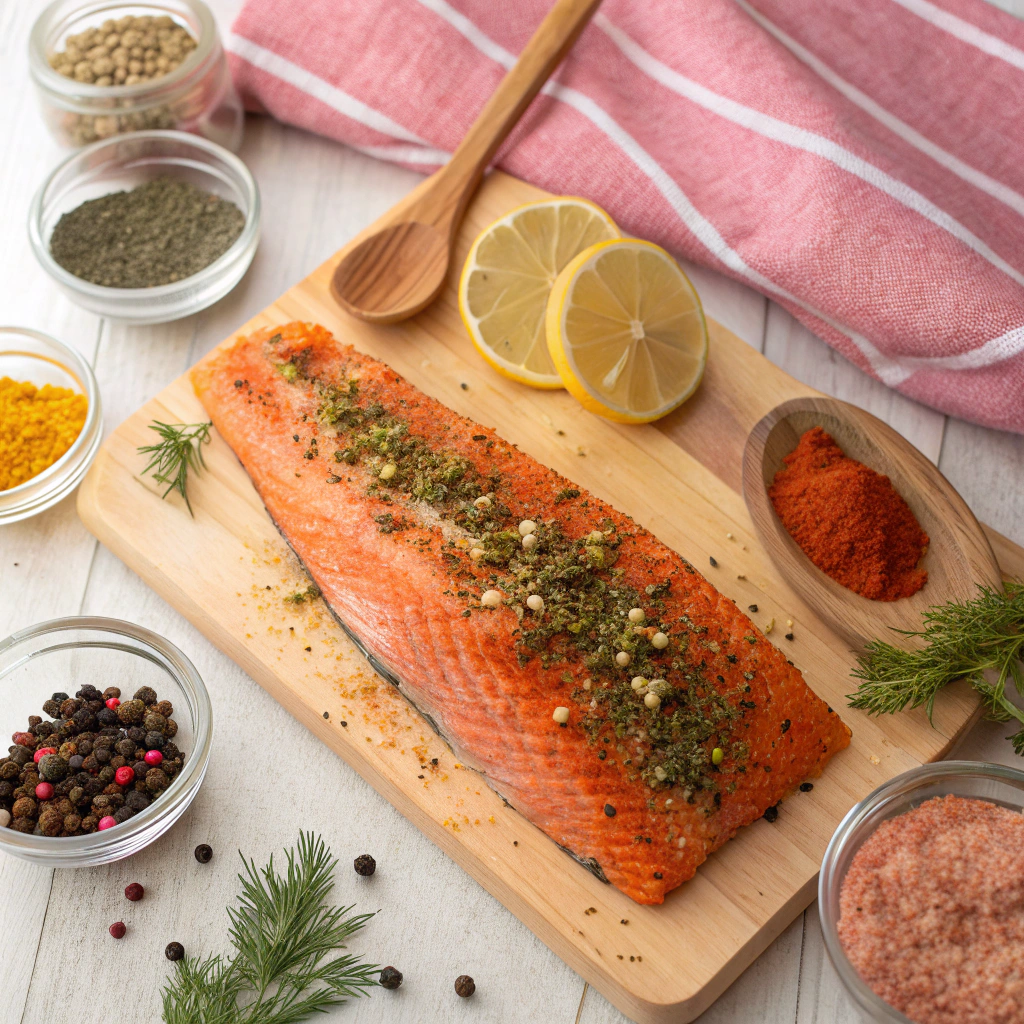
Drizzle a tiny bit of olive oil over each salmon fillet. This acts as a binder for the spices and helps create a beautiful crust. Now, sprinkle your homemade **salmon seasoning recipe** generously over all sides of each fillet. Use your fingertips to gently rub the seasoning into the flesh, ensuring an even coating. Don’t be shy – this is where the flavor magic happens for your **oven baked salmon**.
Step 4: Marinate (Optional, but Recommended)
For deeper flavor penetration, let the seasoned salmon rest at room temperature for 15-30 minutes. If you’re planning ahead, you can refrigerate it for up to an hour, but bring it back to room temperature before cooking for best results. This brief marinade time is key to an incredibly flavorful **fillet of salmon in the oven**.
Step 5: Cook to Perfection
Preheat your oven to 400°F (200°C) and line a baking sheet with parchment paper for easy cleanup. Place the seasoned salmon fillets on the prepared baking sheet, skin-side down if applicable. Bake for 12-15 minutes, or until the internal temperature reaches 145°F (63°C) and the salmon flakes easily with a fork. The exact time will depend on the thickness of your fillets. For a stunning bronzed finish, you can broil for the last 1-2 minutes, watching carefully to prevent burning. Remember, a perfectly cooked **oven baked salmon recipe** is moist and tender inside.
Nutritional Information
Understanding the nutritional breakdown of your meals is just as important as perfecting the flavor. This salmon seasoning recipe, when paired with a standard 6-ounce salmon fillet (which provides roughly 350-400 calories and 40g of protein), contributes a minimal amount of additional calories but packs a punch in flavor and micronutrients.
Per serving (based on 1.5 tablespoons of seasoning):
- Calories: Approximately 30-40 kcal (primarily from brown sugar and trace amounts in spices)
- Total Fat: Less than 1g
- Sodium: 400-500mg (adjustable based on your salt preference and quantity used). This offers significant control compared to many store-bought blends, which can reach 800mg+ per serving.
- Carbohydrates: 5-7g (mostly from the sugars and complex carbs in spices)
- Sugars: 4-5g
- Protein: Less than 1g
Beyond the macronutrients, the spices themselves offer an abundance of health benefits. Paprika is rich in antioxidants, garlic and onion powder boast immune-boosting compounds, and dill provides vitamins A and C. Compared to a plain salmon fillet, adding this seasoning offers not just a flavor explosion but also a subtle boost in beneficial plant compounds.
Healthier Alternatives for the Recipe
Want to make this already healthy salmon seasoning recipe even better for your dietary needs? Here are some simple, yet effective, modifications:
- Lower Sodium Version: The easiest way to reduce sodium is to simply reduce the amount of sea salt you add. You can even omit it entirely and let each diner salt their own portion at the table. Focus on amplifying other herbs like dill and parsley, or a touch more lemon zest for brightness, to compensate for less salt.
- Sugar-Free Option: For those monitoring sugar intake, completely omit the brown sugar. The spices still provide incredible flavor. If you miss the hint of sweetness, a tiny pinch of erythritol or stevia can be added, but this seasoning performs beautifully without any added sugar.
- Low-FODMAP Friendly: Omit the onion powder and garlic powder. Instead, infuse garlic and onion flavor into your cooking oil. Once infused, remove the solids before coating the salmon. You can also experiment with chives or the green parts of spring onions for a mild onion flavor.
- Add Extra Herbs: Boost the healthy compounds and fresh flavor by incorporating more dried herbs like oregano, basil, or even a touch of dried lemon peel. These add complexity without adding significant calories or sodium.
- Spice it Up with Health Benefits: Increase the cayenne pepper for more capsaicin, known for its metabolism-boosting properties. Alternatively, add a pinch of turmeric (though it will change the color) for its potent anti-inflammatory benefits. This enhances both flavor and health!
Serving Suggestions
A perfectly seasoned salmon fillet deserves equally appealing side dishes. Here are some personalized and versatile serving suggestions to elevate your meal beyond the ordinary:
- Mediterranean Medley: Serve your baked salmon recipe with a vibrant quinoa salad tossed with cherry tomatoes, cucumbers, Kalamata olives, fresh parsley, and a lemon-herb vinaigrette. This balance of protein, healthy fats, and fresh vegetables is both nutritious and incredibly satisfying.
- Roasted Asparagus & Lemon: A classic for a reason! Toss fresh asparagus spears with olive oil, a squeeze of lemon juice, and a sprinkle of salt and pepper. Roast them alongside your fillet of salmon in the oven during the last 10 minutes until tender-crisp. The bright, slightly bitter notes of asparagus complement the rich salmon beautifully.
- Creamy Dill Mashed Potatoes: Imagine fluffy mashed potatoes infused with a hint of fresh dill, mirroring the notes in your salmon seasoning recipe. The creamy texture provides a comforting contrast to the flaky fish.
- Cauliflower Rice Pilaf (Low-Carb): For a lighter, low-carb option, whip up a cauliflower rice pilaf with sautéed mushrooms, bell peppers, and a sprinkle of a similar seasoning blend. It perfectly absorbs the juices from the salmon.
- Fresh Green Salad with Citrus Vinaigrette: Sometimes simplicity is key! A crisp mixed green salad with a light, zesty vinaigrette (think orange juice, olive oil, and a touch of Dijon) offers a refreshing counterpoint to the rich salmon. Consider adding some toasted nuts for extra crunch and healthy fats.
Remember, the best serving suggestion is one that complements the rich, savory notes of your salmon while balancing your personal dietary preferences and cravings.
Common Mistakes to Avoid
Even with a fantastic salmon seasoning recipe, a few common pitfalls can derail your delicious plans. Avoid these to ensure perfect results every time:
- Over-seasoning: While generous seasoning is key, “more is more” isn’t always true for salt. Too much salt can dry out your salmon and make it unpalatable. Start with the recommended amount and adjust to your taste in subsequent cooks. Data shows that excessive sodium intake is a leading concern for many home cooks.
- Not Patting Salmon Dry: This is a crucial step often overlooked. Excess moisture prevents the seasoning from adhering properly and inhibits the formation of a nice crust (especially true if you’re cooking skin-on for a crispy finish). A damp surface means the seasoning will just steam, not bake onto the fish.
- Overcooking the Salmon: This is the most common mistake when cooking fish, leading to dry, tough, and rubbery results. Salmon cooks quickly, typically 4-6 minutes per half-inch of thickness. Aim for an internal temperature of 145°F (63°C) for medium-cooked, flaky salmon. Using an instant-read thermometer is your best friend here, as data consistently shows it’s the most effective way to prevent overcooking and ensure food safety. Nobody wants a dry oven baked salmon recipe!
- Not Letting the Seasoning Rest: While you can use the seasoning immediately, allowing it to sit on the salmon for 15-30 minutes gives the flavors time to meld and penetrate deeper into the fish. This subtle step significantly enhances the overall taste of your baked salmon recipe.
- Using Stale Spices: Spices lose their potency over time, especially if stored improperly (e.g., in direct sunlight). Old spices mean a bland salmon seasoning recipe. Check the dates on your spices and replace them if they’re more than 1-2 years old to ensure maximum aroma and flavor impact.
Storing Tips for the Recipe
Mastering your salmon seasoning recipe isn’t just about cooking; it’s also about smart storage to preserve freshness and minimize waste.
- Storing the Dry Seasoning Blend: Once you’ve mixed your homemade salmon seasoning recipe, store any unused blend in an airtight container (a small glass jar with a tight-fitting lid works perfectly) in a cool, dark place away from direct sunlight and heat. This will keep the spices potent for up to 6 months. While spices don’t “spoil” in the conventional sense, they do lose their flavor and aroma over time. Label your container with the date you made it!
- Storing Cooked Salmon: Leftover cooked salmon should be placed in an airtight container and refrigerated within two hours of cooking. It will stay fresh and delicious for 2-3 days. To reheat, gently warm in an oven at 275°F (135°C) for 10-15 minutes, or in a microwave on a low setting, to prevent drying out. Avoid high heat as this leads to rubbery fish.
- Freezing Cooked Salmon: While fresh is always best, cooked salmon can be frozen for up to 2-3 months. Wrap individual portions tightly in plastic wrap, then place them in a freezer-safe bag or container to prevent freezer burn. Thaw overnight in the refrigerator before reheating.
- Prep-Ahead for Efficiency: The beauty of this salmon seasoning recipe is how easily you can prep it ahead. Make a large batch of the dry blend on a weekend, and you’ll have instant flavor magic ready for quick weeknight meals, turning your oven baked salmon into a hassle-free, go-to dinner solution.
Conclusion
Congratulations! You’ve just unlocked the secret to transforming humble salmon into a culinary masterpiece with your very own homemade salmon seasoning recipe. Gone are the days of bland fish; you now have the power to create a depth of flavor that rivals your favorite restaurants. We’ve explored everything from crafting the perfect blend and ensuring ideal cooking times to smart storage and making healthier modifications.
This journey wasn’t just about mixing spices; it was about gaining control over your ingredients, understanding the nuances of flavor, and confidently bringing vibrant, nutritious meals to your table. So, what are you waiting for? Grab your spices, embrace your inner chef, and give this salmon seasoning recipe a try tonight!
Did you make this blend? Share your experience in the comments below! What are your favorite sides to pair with a perfectly seasoned baked salmon recipe? We’d love to hear your insights and see how you made this recipe your own. And if you’re looking for more quick, flavorful, and data-driven recipes, be sure to explore our related posts for more kitchen inspiration!
FAQs
Q1: Can I use this salmon seasoning recipe on other types of fish or poultry?
A1: Absolutely! This versatile salmon seasoning recipe works wonderfully on other fish like cod, halibut, or tilapia. It’s also fantastic on chicken, especially grilled chicken breasts or thighs, and even roasted vegetables. Feel free to experiment!
Q2: How long will the homemade seasoning blend last?
A2: Stored in an airtight container in a cool, dark place, your homemade salmon seasoning recipe blend will retain its potency for up to 6 months. After that, the flavors might start to diminish, so it’s best to make a fresh batch.
Q3: Is brown sugar necessary in the seasoning blend?
A3: While not strictly necessary, the touch of brown sugar in this salmon seasoning recipe helps with caramelization, contributing to a beautiful crust and balancing the savory and smoky flavors. If you prefer a sugar-free option, you can omit it entirely; the blend will still be delicious.
Q4: My salmon always comes out dry. How do I prevent this?
A4: The most common culprit is overcooking. To ensure a moist and flaky oven baked salmon, use an instant-read thermometer and cook until the internal temperature reaches 145°F (63°C). Depending on thickness, this usually takes 12-15 minutes at 400°F (200°C). Don’t walk away from your fillet of salmon in the oven!
Q5: Can I prepare the seasoned salmon ahead of time?
A5: Yes, you can season your salmon fillets up to an hour in advance and keep them refrigerated. For best results, bring them back to room temperature for about 15-20 minutes before cooking. This ensures more even cooking for your baked salmon recipe.