Seared Tuna Steak Recipe: Best Quick & Easy Dinner!
Are you tired of endlessly searching for weeknight dinner solutions that promise speed but deliver anything but? Many recipes claim to be fast, yet often involve an hour of prep, complex techniques, or elusive ingredients. But what if I told you there’s a dish that not only delivers on its promise of lightning speed and incredible flavor but also elevates your weeknight meal game instantly? Brace yourself for the ultimate answer: the seared tuna steak recipe. This isn’t just another dinner idea; it’s a culinary revelation that takes mere minutes to prepare, leaving you more time to savor the moment. Forget average—this is exceptional.
Table of Contents
Ingredients List
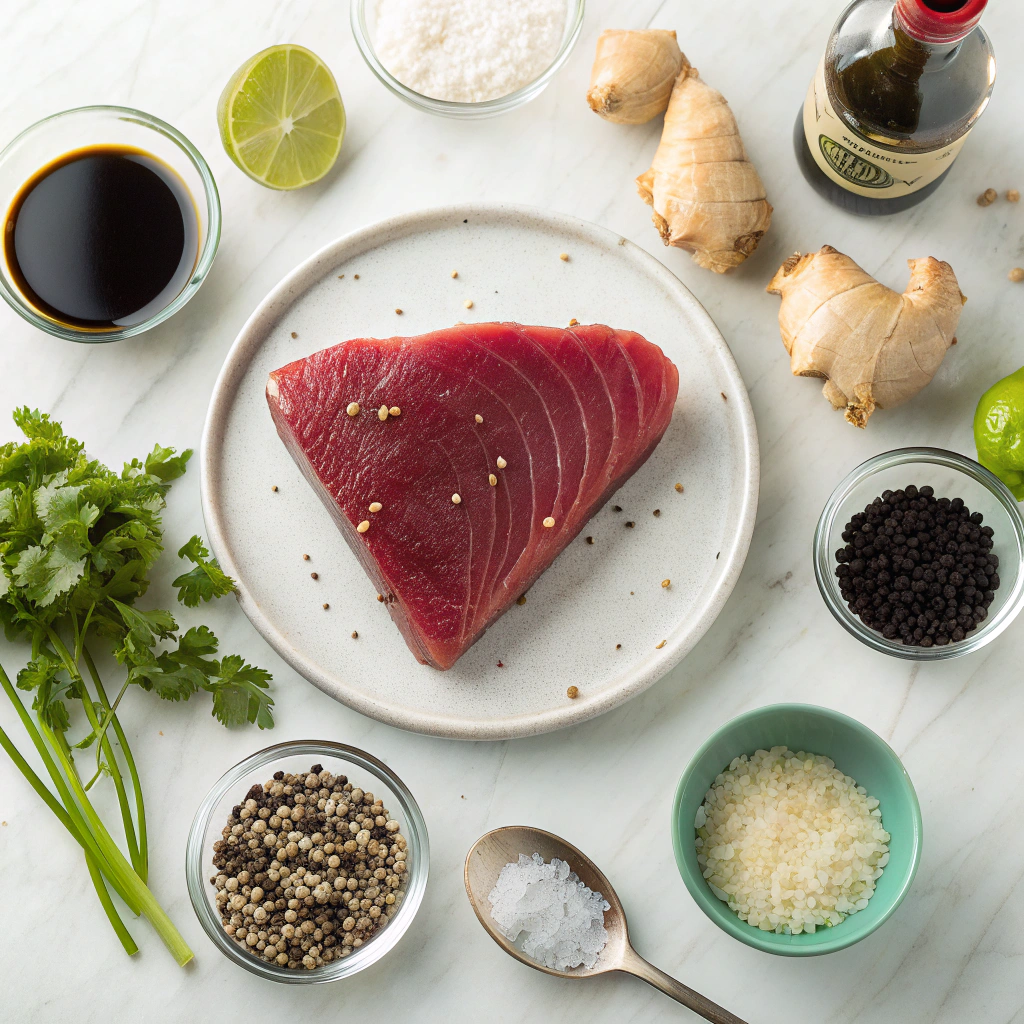
Ready to create a masterpiece with minimal fuss? Here’s what you’ll need for your perfect seared tuna steak recipe:
- 2 fresh tuna steaks (about 6-8 oz each): Opt for sushi-grade ahi tuna recipes for the best flavor and texture. Look for vibrant red, firm flesh.
- 1 tablespoon olive oil: Extra virgin for optimal flavor. Avocado oil is a great alternative for higher smoke point.
- 1 teaspoon sesame oil: Adds a rich, nutty depth.
- 2 tablespoons soy sauce (low sodium): Tamari is an excellent gluten-free substitute.
- 1 tablespoon rice vinegar: Adds a touch of acidity to balance the flavors. Apple cider vinegar can work in a pinch.
- 1 tablespoon fresh ginger, grated: Don’t skip this! Fresh truly makes a difference. Ground ginger can be used, but reduce amount to ½ teaspoon.
- 2 cloves garlic, minced: Freshly minced is best for punchy flavor.
- 1 teaspoon honey or maple syrup: A touch of sweetness for balance.
- 1 tablespoon sesame seeds (white or black, or a mix): For that classic sesame crusted tuna finish.
- Salt and freshly ground black pepper to taste: Essential for seasoning.
Timing
One of the most remarkable aspects of this seared tuna steak recipe is its incredible speed.
- Prep Time: 10 minutes (mostly for marinating)
- Cook Time: 4-6 minutes (yes, that’s it!)
- Total Time: 14-16 minutes
Compared to the average weeknight dinner, which often clocks in at 45-60 minutes, this recipe is approximately 70% faster, freeing up your evening for whatever truly matters to you. Imagine, a gourmet meal in under 20 minutes!
Step-by-Step Instructions
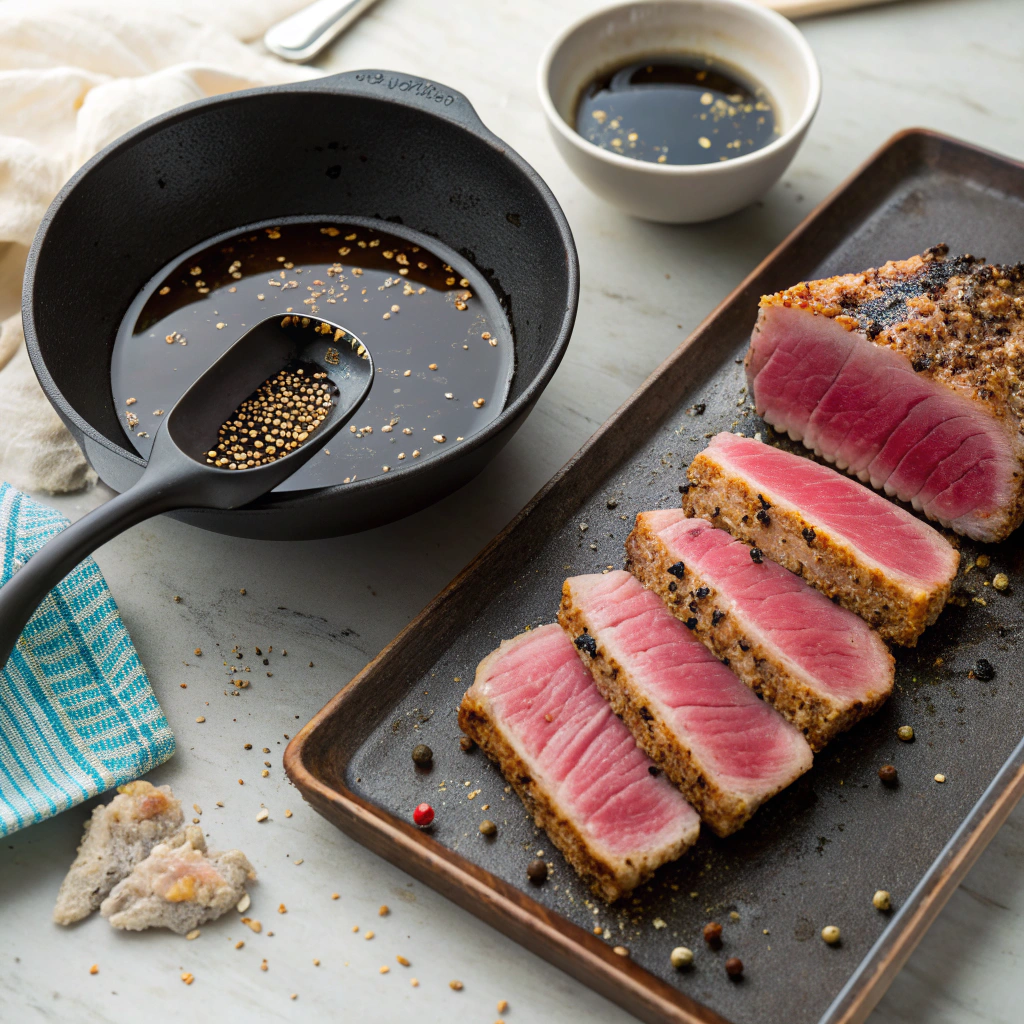
Let’s transform those fresh ingredients into a culinary masterpiece. Follow these simple steps for a flawless seared tuna steak recipe:
Step 1: Prepare the Marinade
In a shallow dish, whisk together the olive oil, sesame oil, soy sauce, rice vinegar, grated ginger, minced garlic, and honey/maple syrup. This aromatic blend is the secret to infusing incredible flavor. Pro Tip: For an extra kick, add a pinch of red pepper flakes to the marinade.
Step 2: Marinate the Tuna
Gently place the tuna steaks in the marinade, ensuring they are well coated. Marinate for at least 10 minutes at room temperature, or up to 30 minutes in the refrigerator. Over-marinating can ‘cook’ the fish due to the acidity, so don’t leave it too long!
Step 3: Coat with Sesame Seeds
Place the sesame seeds on a plate. Carefully remove the tuna steaks from the marinade (discarding any excess liquid) and press each side into the sesame seeds, ensuring an even coating. This creates that delightful, crunchy sesame crusted tuna exterior.
Step 4: Heat Your Pan
Heat a heavy-bottomed skillet or cast-iron pan over medium-high heat until it’s sizzling hot. A well-heated pan is crucial for achieving that perfect sear. You can add a tiny drizzle of high-smoke point oil (like avocado or grapeseed) if your pan isn’t naturally non-stick.
Step 5: Sear the Tuna
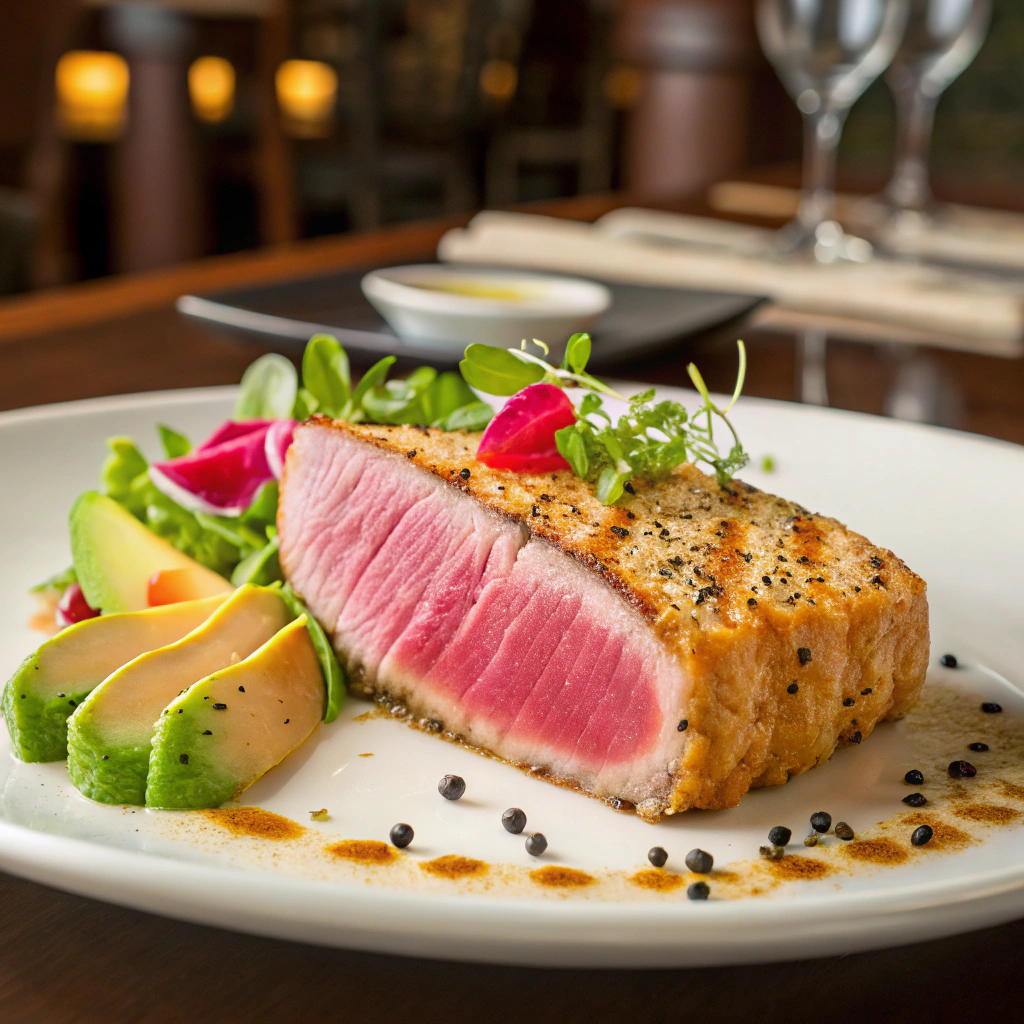
Carefully place the sesame-crusted tuna steaks in the hot pan. For rare tuna (recommended for this recipe): Sear for 1-2 minutes per side. For medium-rare, go for 2-3 minutes per side. The goal is a beautiful golden-brown crust with a cool, pink center. Remember, pan seared tuna steak cooks very quickly!
Step 6: Rest and Slice
Remove the tuna from the pan and let it rest on a cutting board for 2-3 minutes. This allows the juices to redistribute, resulting in a more tender and flavorful steak. Slice against the grain into ½-inch thick pieces to reveal that gorgeous pink interior.
Nutritional Information
Incorporating this seared tuna steak recipe into your diet is not just a treat for your taste buds but also a powerhouse of nutrition. Based on a typical 6oz portion of yellow fin tuna recipe, here’s a snapshot:
- Calories: Approximately 300-350 kcal
- Protein: Around 40-45g (a fantastic source of lean protein!)
- Fat: 10-15g (rich in beneficial Omega-3 fatty acids)
- Carbohydrates: 5-8g (primarily from the marinade ingredients)
- Sodium: 400-600mg (can be reduced with low-sodium soy sauce)
Tuna is a complete protein, meaning it contains all nine essential amino acids. The Omega-3s contribute to heart health and brain function. This meal offers significant nutritional value for a relatively low caloric intake, making it an excellent choice for a balanced diet.
Healthier Alternatives for the Recipe
Looking to fine-tune your seared tuna steak recipe for specific dietary needs? Here are some simple, delicious swaps:
- Lower Sodium: Use extra-low sodium soy sauce or coconut aminos for a similar umami flavor profile with significantly less sodium.
- Gluten-Free: Ensure your soy sauce is gluten-free tamari. All other ingredients are naturally gluten-free.
- Sugar-Free: Omit the honey/maple syrup or use a sugar substitute like erythritol. The amount is small, but every bit helps!
- Keto-Friendly: This recipe is naturally quite keto-friendly. Just ensure your soy sauce is low-carb or use coconut aminos, and skip the honey/maple syrup.
- Fat Reduction: While the healthy fats from tuna are beneficial, you can dry sear the tuna without added oil if using a high-quality non-stick pan, or use a tiny spritz of cooking spray.
Serving Suggestions
Your perfectly seared tuna steak recipe deserves companions that enhance its delicate flavor and vibrant presentation.
- Asian-Inspired Bowl: Serve sliced tuna over a bed of jasmine rice or farro with steamed edamame, sliced avocado, and a drizzle of extra soy-ginger marinade.
- Crisp Salad: Arrange slices over a spring mix with cucumber, cherry tomatoes, and a light vinaigrette.
- Lettuce Wraps: Create fresh and crunchy tuna lettuce wraps using large crisp lettuce leaves (like butter lettuce) as cups. Add shredded carrots and a sprinkle of chopped peanuts.
- Vibrant Veggies: Pair with quick-sautéed asparagus, roasted broccoli, or blanched green beans. The simplicity lets the tuna shine.
- Spicy Kick: Offer a side of sriracha mayo or a sprinkle of chili flakes if you enjoy some heat.
Common Mistakes to Avoid
Even the simplest recipes can have pitfalls. Steer clear of these common errors for a perfect seared tuna steak recipe every time:
- Overcooking the Tuna: This is the cardinal sin! Tuna cooks incredibly fast. Overcooking turns it dry and grey, losing its beautiful texture and flavor. Aim for rare-to-medium rare for the best experience. A quick sear of 1-2 minutes per side is usually sufficient.
- Cold Pan: A cold or lukewarm pan won’t give you that crucial crust. Ensure your pan is blazing hot before the tuna touches it. You should hear a sizzle immediately.
- Too Much Marinade on the Tuna: Excess marinade will steam the tuna instead of searing it. Lightly pat the tuna dry before coating in sesame seeds.
- Forgetting to Rest the Tuna: Just like meat, tuna benefits from a brief rest (2-3 minutes) after cooking. This allows the juices to redistribute, preventing a dry interior.
- Not Using Fresh, Quality Tuna: Since tuna is the star, its quality matters immensely. Opt for sushi-grade if possible. Dull, fishy-smelling tuna will not yield a delicious result.
Storing Tips for the Recipe
While seared tuna steak recipe is best enjoyed fresh, here’s how to store leftovers or prep ahead:
- Refrigeration: Cooked tuna, if sealed in an airtight container, can be refrigerated for up to 2 days. Beyond that, the texture and flavor can degrade.
- Freezing: It’s generally not recommended to freeze cooked tuna unless absolutely necessary, as it can significantly impact the texture upon thawing.
- Reheating: Avoid reheating seared tuna in a microwave, as it will inevitably overcook. If you must reheat, gently warm in a pan over low heat for just a minute or two, or enjoy it cold in a salad or sandwich.
- Prep Ahead: You can prepare the marinade up to 2 days in advance and store it in the refrigerator. Have your tuna ready to go, and simply marinate and sear when you’re ready to cook!
Conclusion
There you have it: the definitive guide to creating the most delectable, quick, and easy seared tuna steak recipe you’ll ever make. This isn’t just a meal; it’s an experience that proves gourmet doesn’t have to mean complicated or time-consuming. With its rich flavors, impressive speed, and undeniable health benefits, this recipe is poised to become a permanent fixture in your culinary repertoire.
We’d love to see your creations! Did you try this seared tuna steak recipe? Share your triumphs and tips in the comments below. And if you’re hungry for more effortless elegance, explore our other ahi tuna recipes and quick dinner ideas right here on the blog. Happy cooking!
FAQs
Q1: Can I use frozen tuna for this recipe?
Yes, you can use frozen tuna, but ensure it’s high-quality and thawed properly in the refrigerator overnight. Pat it very dry before marinating and searing to prevent steaming. The quality of sushi-grade fresh tuna will always yield the best result for this seared tuna steak recipe.
Q2: How do I know if my tuna is sushi-grade?
Sushi-grade tuna means it is safe to eat raw and has been handled with exceptional care from catch to market. Look for a vibrant, deep red color with no brown spots or discoloration. It should have a clean, fresh sea smell, not a strong “fishy” odor. Reputable fishmongers often label it clearly.
Q3: What if I don’t have sesame oil or rice vinegar?
While these add characteristic Asian flavors, you can substitute. For sesame oil, a touch of extra olive oil is fine, though you’ll miss the nutty aroma. For rice vinegar, white wine vinegar or even a squeeze of lemon juice can provide the necessary acidity, adjusting to taste.
Q4: How thick should the tuna steaks be?
Ideally, tuna steaks for searing should be about 1 to 1.5 inches thick. This thickness allows you to achieve a perfect seared crust while keeping the interior gloriously rare or medium-rare. Thinner steaks risk overcooking very quickly.
Q5: Can I make this a spicier seared tuna steak recipe?
Absolutely! To add heat, simply add ½ teaspoon or more of red pepper flakes to the marinade. You can also drizzle some sriracha sauce over the sliced tuna before serving, or incorporate a finely minced jalapeño into the marinade.