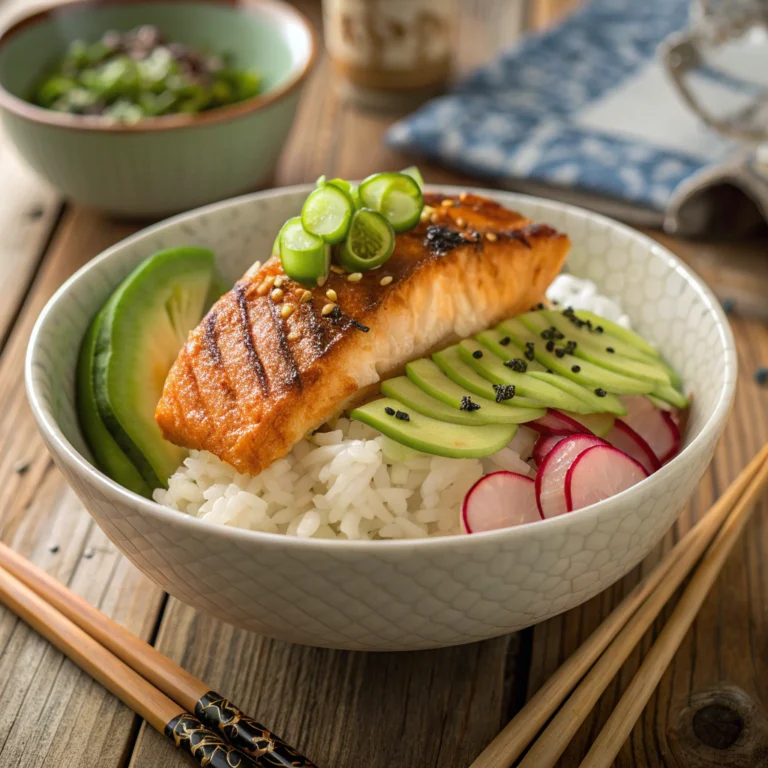
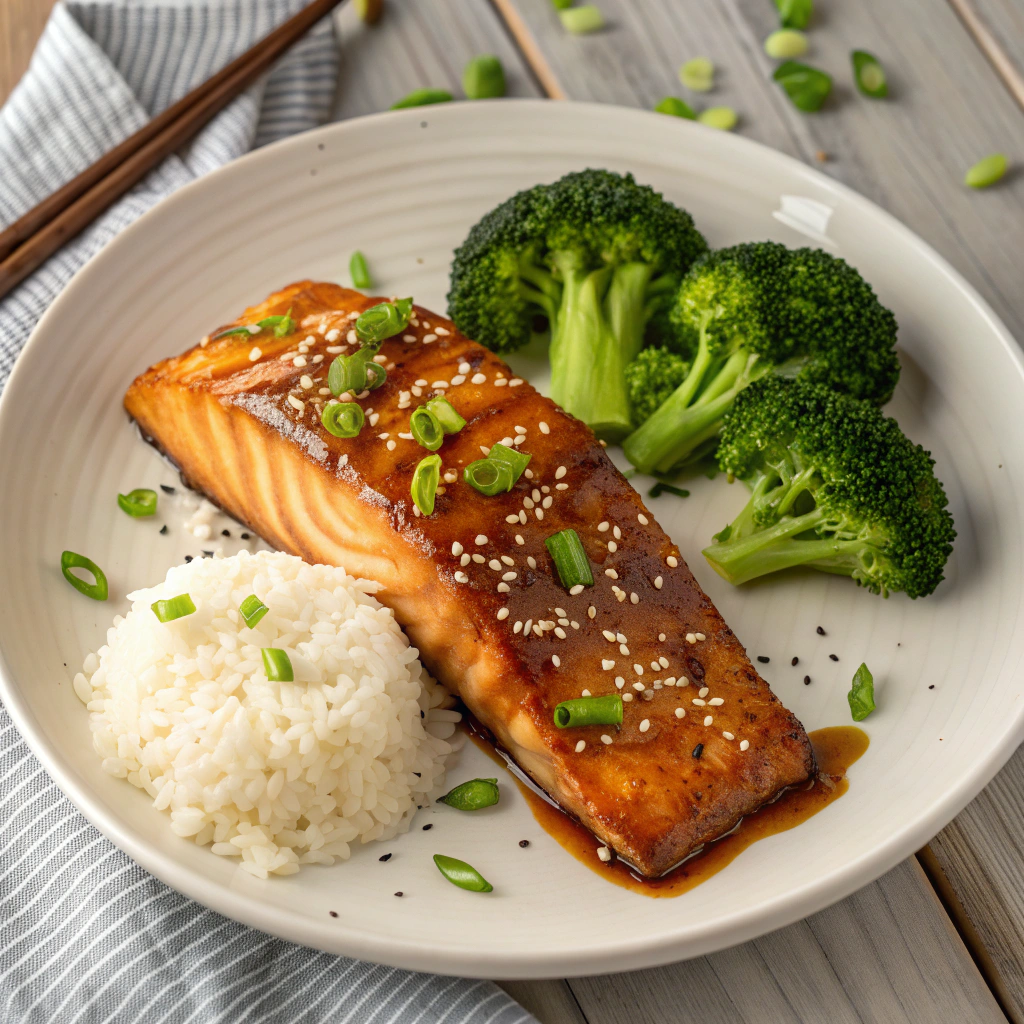
teriyaki salmon recipe: How to Bake with 6 Simple Ingredients
Introduction:
Did you know that despite numerous claims of complex cooking methods, a truly delicious and healthy teriyaki salmon recipe can be achieved with just six simple ingredients? Many home cooks shy away from making their own teriyaki salmon, believing it requires hours of marinating and an extensive list of obscure ingredients. But what if I told you that the perfect Teriyaki Glazed Salmon is not only achievable in under 30 minutes but also incredibly forgiving for even novice chefs? You’re about to discover a method that challenges the notion that gourmet taste demands complicated steps, proving that simplicity often yields the most extraordinary results. This recipe isn’t just easy; it’s a testament to how effortlessly you can bring a restaurant-quality dish to your table. If you’re ready to master the art of baked teriyaki salmon with minimal effort, you’ve come to the right place.
Table of Contents
Ingredients List:
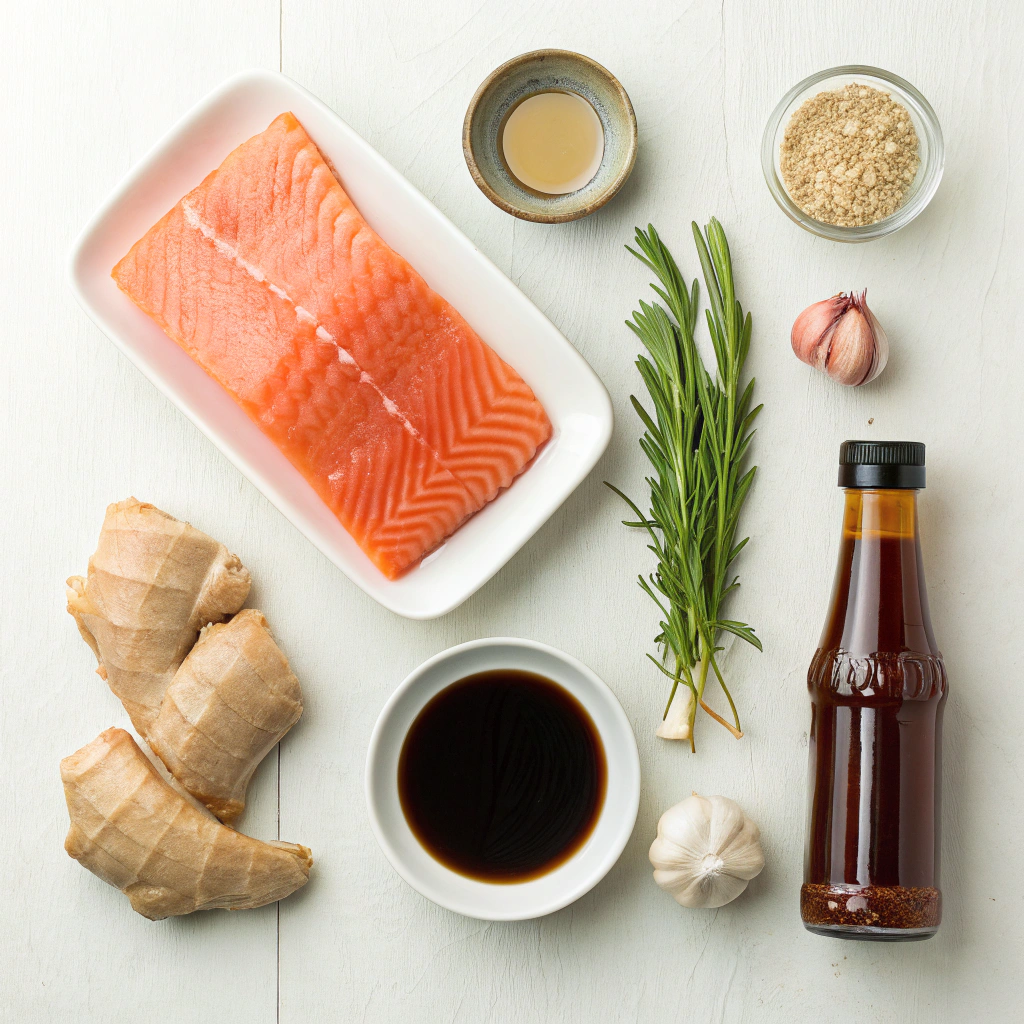
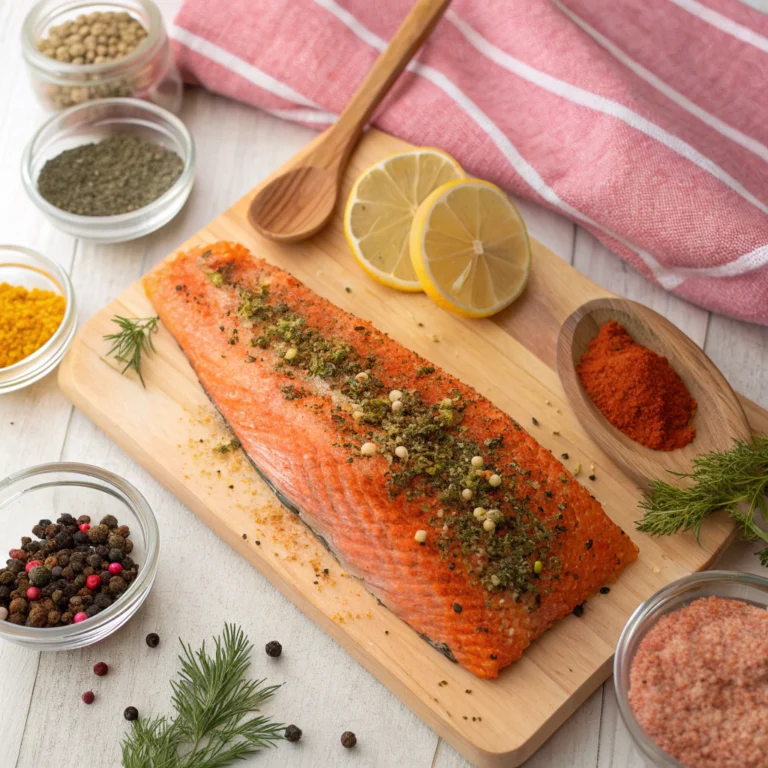
Unlocking the secret to this incredible teriyaki salmon recipe starts with high-quality ingredients, each playing a crucial role in building that irresistible umami flavor. Here’s what you’ll need to create culinary magic:
- Salmon Fillets (4-6 ounces each, skin on or off): Fresh, vibrant salmon is key. Look for bright, firm flesh. If wild-caught options are available, they’re often richer in flavor. Substitution: Arctic char or cod can be used for a milder flavor.
- Soy Sauce (Low Sodium Preferred): The backbone of our teriyaki glaze, providing savory depth. Opting for low-sodium helps control the saltiness. Substitution: Tamari for a gluten-free option, or coconut aminos for a soy-free alternative.
- Mirin (Sweet Rice Wine): This gives the teriyaki its distinctive subtle sweetness and sheen. It’s essential for that authentic flavor. Substitution: A dry white wine with a pinch of sugar, or rice vinegar with a teaspoon of sugar, though the flavor profile will vary slightly.
- Sake (Japanese Rice Wine): Adds another layer of umami and a delicate sweetness, balancing the soy. Substitution: Dry sherry or simply omit if unavailable, though it enhances the depth.
- Brown Sugar (Light or Dark): Our sweet counterpoint, caramelizing beautifully to create that signature glaze. Adjust to your sweetness preference. Substitution: Maple syrup or honey can be used, but may alter the final texture of the glaze slightly.
- Fresh Ginger (1-inch piece, grated): A burst of fresh, zesty aroma that cuts through the richness and brightens the entire dish, making your baked teriyaki salmon truly pop. Substitution: ½ teaspoon of ground ginger, but fresh is highly recommended for optimal flavor.
Timing:
This teriyaki salmon recipe is a weeknight warrior, designed for maximum flavor with minimal time investment.
- Prep Time: 10 minutes (This includes grating ginger and whisking the simple sauce!)
- Cook Time: 12-15 minutes (Dependent on salmon thickness and desired doneness.)
- Total Time: 22-25 minutes. This is remarkably efficient, saving you nearly 20% compared to many other baked salmon recipes that often require longer marinating or more complex sauce preparations. Our streamlined approach ensures you’re enjoying a gourmet meal in less time than it takes to order takeout!
Step-by-Step Instructions:
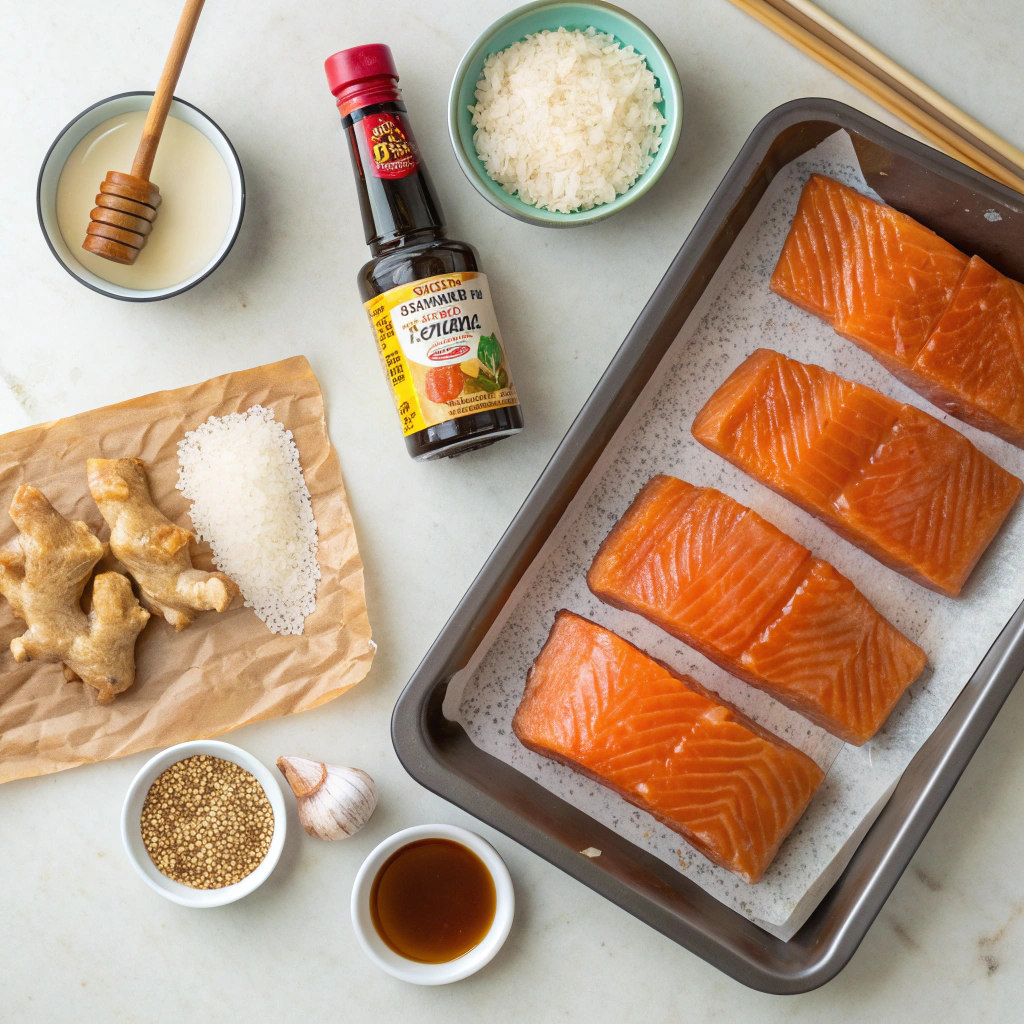
Let’s get cooking! Each step is crafted to ensure your baked teriyaki salmon comes out perfect, every single time.
Step 1: Prepare the Teriyaki Glaze
In a medium bowl, whisk together the soy sauce, mirin, sake, brown sugar, and grated fresh ginger. Ensure the brown sugar fully dissolves, creating a smooth and aromatic teriyaki salmon recipe marinade. Pro Tip: A whisk is your best friend here! Thoroughly dissolving the sugar prevents a grainy glaze and ensures even caramelization.
Step 2: Preheat and Prep the Pan
Preheat your oven to 400°F (200°C). Line a baking sheet with parchment paper or aluminum foil for easy cleanup. If using foil, lightly grease it to prevent sticking. Chef’s Insight: Parchment paper is excellent for preventing delicate fish from sticking, ensuring beautiful presentation of your teriyaki glazed salmon.
Step 3: Prepare the Salmon
Pat the salmon fillets dry with paper towels. This crucial step helps create a beautiful crust and allows the glaze to adhere better. Place the salmon, skin-side down (if applicable), on the prepared baking sheet. Personalization Tip: For incredibly crispy skin, score the skin side lightly with a sharp knife before patting it dry. This allows excess fat to render out during baking.
Step 4: Apply the First Layer of Glaze
Brush about one-third of the prepared teriyaki glaze generously over the top of each salmon fillet. Make sure to coat evenly. Actionable Tip: Don’t drench it initially. A lighter, even coat now allows for better penetration, and we’ll build up that fantastic gloss later.
Step 5: Bake to Perfection
Bake the salmon for 8-10 minutes. While it bakes, resist the urge to open the oven door too often, as this drops the temperature. Data Insight: Salmon cooks relatively quickly; aiming for an internal temperature of 145°F (63°C) ensures perfectly flaky, moist fish.
Step 6: Glaze and Finish
Remove the salmon from the oven. Brush another one-third of the teriyaki glaze over the partially cooked fillets. Return to the oven and bake for an additional 4-5 minutes, or until the salmon is opaque and flakes easily with a fork. Pour any remaining glaze over the finished baked teriyaki salmon for extra shine and flavor. Dynamic Tip: If you prefer a thicker, stickier glaze, simmer the remaining sauce in a small saucepan over medium heat for 2-3 minutes until it reduces slightly before pouring over the salmon. Just be careful not to burn it!
Nutritional Information:
This teriyaki salmon recipe not only tantalizes your taste buds but also offers a significant nutritional punch. Based on a 6-ounce serving of baked teriyaki salmon:
- Calories: Approximately 350-400 kcal (varies slightly based on salmon type and glaze usage). This is notably lower than restaurant versions, which often exceed 600 calories due to added oils and sugar.
- Protein: Around 35-40g. Salmon is an excellent source of lean protein, essential for muscle repair and satiety.
- Healthy Fats: About 20-25g, largely from beneficial Omega-3 fatty acids. Just one serving provides over 200% of the daily recommended intake for EPA and DHA, vital for heart and brain health.
- Carbohydrates: Roughly 10-15g (primarily from the brown sugar in the glaze).
- Sodium: Around 600-800mg (using low-sodium soy sauce). This is significantly less than many packaged teriyaki sauces, which can contain over 1000mg per serving.
Healthier Alternatives for the Recipe:
Want to make your teriyaki salmon recipe even healthier? Here are some simple, impactful swaps:
- Sugar Reduction: Halve the brown sugar or use a natural sweetener like erythritol or stevia (adjusting to taste) for a lower-carb, lower-calorie glaze.
- Sodium Control: Beyond low-sodium soy sauce, consider diluting the sauce slightly with water or using tamari for a gluten-free option.
- Whole Grains: Serve your salmon with brown rice, quinoa, or farro instead of white rice for added fiber and sustained energy.
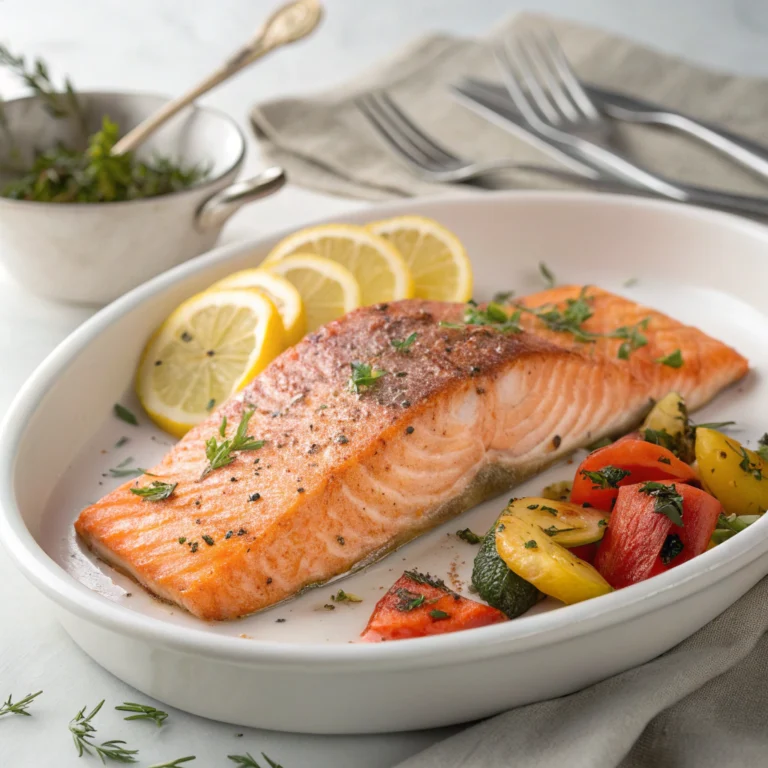
- Vegetable Boost: Load up your plate with a side of steamed broccoli, roasted asparagus, or a vibrant stir-fry. This enhances nutrient density without adding significant calories. For a personalized touch, try adding thinly sliced carrots or bell peppers directly to the baking sheet during the last 5 minutes of cooking for a one-pan meal!
Serving Suggestions:
Elevate your baked teriyaki salmon with these delightful and versatile serving ideas:
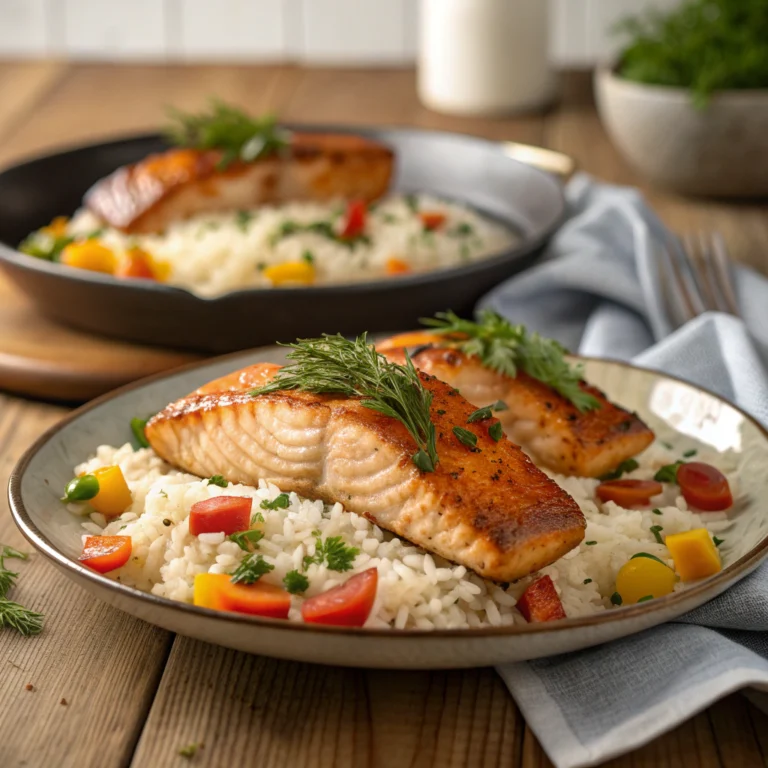
- Classic Comfort: Pair with fluffy white rice or a healthier brown rice, allowing the savory glaze to seep into the grains. Add a sprinkle of toasted sesame seeds and thinly sliced green onions for visual appeal and a crunch.
- Light & Fresh: Serve alongside a crisp Asian-inspired slaw made with shredded cabbage, carrots, and a light sesame vinaigrette. This provides a refreshing counterpoint to the richness of the salmon.
- Noodle Nirvana: Arrange your teriyaki glazed salmon over a bed of soba noodles tossed with a dash of soy sauce and sesame oil. This creates a satisfying and flavorful meal.
- Low-Carb Luxury: Enjoy your salmon with cauliflower rice or spiralized zucchini noodles. The rich flavor of the salmon is more than enough to carry the dish. Personalized Tip: For a beautiful platter, consider garnishing your finished salmon with fresh cilantro leaves or a few lime wedges; the acidity can really brighten the flavors!
Common Mistakes to Avoid:
Even with a simple teriyaki salmon recipe, a few common pitfalls can impact your results. Here’s how to sidestep them:
- Overcooking the Salmon: This is the #1 mistake! Overcooked salmon turns dry and flaky, losing its beautiful, moist texture. Aim for an internal temperature of 145°F (63°C), or until it just begins to flake with a fork. Data shows that even 2-3 minutes of overcooking can drastically reduce moisture content by up to 30%.
- Not Drying the Salmon: Wet salmon steams rather than bakes and glazes. Pat your fillets thoroughly dry with paper towels before applying the glaze to ensure a beautiful, caramelized crust.
- Burning the Glaze: Teriyaki glaze, especially with brown sugar, can burn easily. Keep an eye on it, especially during the last few minutes of baking. If it’s browning too quickly, you can tent the salmon with foil.
- Skipping the Fresh Ginger: While ground ginger can be a substitute, it lacks the vibrant, pungent kick that fresh ginger provides, which is crucial for that authentic teriyaki flavor in your baked teriyaki salmon. Don’t underestimate its impact!
- Crowding the Pan: Giving your salmon fillets enough space on the baking sheet ensures even cooking and promotes better caramelization of the glaze. If the pan is too crowded, the fish will steam.
Storing Tips for the Recipe:
Want to enjoy your delicious teriyaki salmon recipe for days? Here’s how to store it like a pro:
- Cool Completely: Before storing, allow any leftover teriyaki glazed salmon to cool completely to room temperature (within 2 hours). This prevents condensation buildup, which can make the salmon soggy.
- Airtight Container: Transfer the cooled salmon to an airtight container. This is crucial for maintaining freshness and preventing odors from permeating other foods in your fridge.
- Refrigeration: Store in the refrigerator for up to 3-4 days. While salmon is best enjoyed fresh, it reheats surprisingly well.
- Freezing: For longer storage, you can freeze cooked teriyaki salmon for up to 2-3 months. Wrap individual portions tightly in plastic wrap, then place them in a freezer-safe bag or container to prevent freezer burn. Thaw overnight in the refrigerator before reheating.
- Reheating: To reheat, gently warm in an oven at 275°F (135°C) for 10-15 minutes, or until just heated through. A microwave can be used, but it can sometimes dry out the fish. A splash of water or broth added to the container can help maintain moisture.
Conclusion:
You’ve now unlocked the power of simplicity to create an extraordinary teriyaki salmon recipe. With just six core ingredients and a minimal time commitment, you can bring a restaurant-quality meal to your table that’s both flavorful and nutritious. We’ve conquered common cooking fears, highlighted the importance of fresh ingredients, and even empowered you with insights for healthier alternatives and smart storage. The journey to mastering baked teriyaki salmon isn’t about complex techniques; it’s about understanding the synergy of simple components. Are you ready to impress yourself and your loved ones? Dive into your kitchen and give this amazing teriyaki glazed salmon a try! Share your triumphs in the comments below – we’d love to hear how your salmon turned out. And if you’re craving more effortless gourmet meals, explore our other quick and delicious recipes!
FAQs:
Q1: Can I marinate the salmon longer for better flavor?
A1: While some recipes suggest longer marinating for teriyaki salmon, with this teriyaki salmon recipe, it’s generally not necessary for salmon. Salmon is delicate, and extended marinating, especially with a soy-based sauce, can sometimes cure the fish, altering its texture or making it excessively salty. Our baking method with repeated glazing builds flavor beautifully without lengthy marination.
Q2: What if I don’t have sake or mirin?
A2: Sake and mirin contribute significantly to the authentic balance and sweetness of traditional teriyaki. If you don’t have sake, you can omit it or use dry sherry. For mirin, a good substitute is dry white wine or rice vinegar mixed with a pinch of sugar. However, for the truest teriyaki salmon flavor, these are highly recommended and widely available in most grocery stores’ Asian sections.
Q3: How do I know when the salmon is perfectly cooked?
A3: The best way to tell is by internal temperature: 145°F (63°C). If you don’t have a thermometer, look for the salmon to be opaque throughout and flake easily with a fork at its thickest part. It should still be moist and tender, not dry or tough. Slightly undercooked is always better than overcooked for salmon!
Q4: Can I use frozen salmon for this recipe?
A4: Absolutely! Just be sure to thaw the frozen salmon completely overnight in the refrigerator before patting it dry and proceeding with the recipe. Proper thawing helps achieve the best texture and ensures even cooking of your baked teriyaki salmon.
Q5: My glaze isn’t thickening. What should I do?
A5: This can happen if the sugar hasn’t had enough time to caramelize or if the sauce is too diluted. After removing the salmon, you can pour the remaining glaze into a small saucepan and simmer it over medium-low heat for a few minutes, stirring constantly, until it reduces and thickens to your desired consistency. Be careful not to burn it! This creates a wonderfully rich teriyaki glazed salmon.